

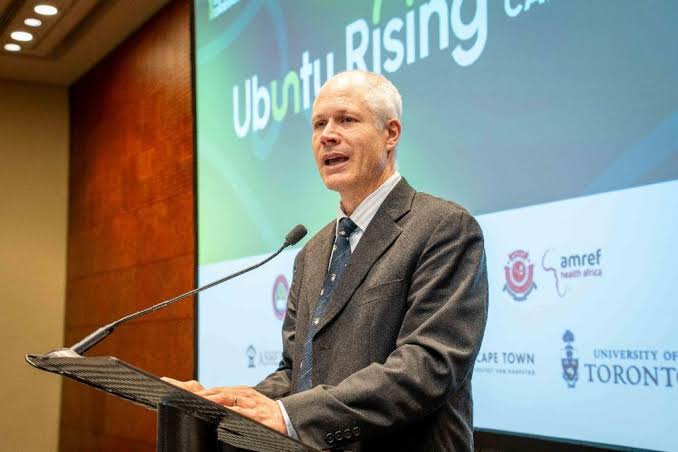
More than 80 young health professionals, researchers, innovators, entrepreneurs and higher education representatives have developed nine recommendations aimed at strengthening the role of young people in Africa’s health systems.
The recommendations emerged from Ubuntu Rising 2026, convened by the Africa Health Collaborative and hosted by the University of Cape Town ahead of the 18th World Congress on Public Health.
The initiative focused on leadership, innovation and employment while creating a platform for young Africans to contribute directly to discussions about the continent’s health future. The recommendations will feed into the Collaborative’s Youth Agenda and future programmes.
The discussions highlighted challenges facing young Africans in both employment and healthcare. Figures cited during the event showed that 90 per cent of employed young Africans work in the informal economy, while only 10 per cent of youth jobs are formal.
The health sector faces a separate challenge, with Africa experiencing a reported shortage of 5.5 million health workers, even as nearly one million trained health professionals remain without meaningful employment.
Participants stressed the importance of moving beyond simply consulting young people and giving them meaningful opportunities to influence decisions affecting their future.
The Africa Health Collaborative said its approach was increasingly focused on co-creation, with young people contributing to the design of programmes, partnerships and solutions.
The initiative forms part of a broader effort to strengthen primary healthcare systems across Africa through workforce development, education, innovation and entrepreneurship, while supporting opportunities for young Africans to access dignified and fulfilling work.
