

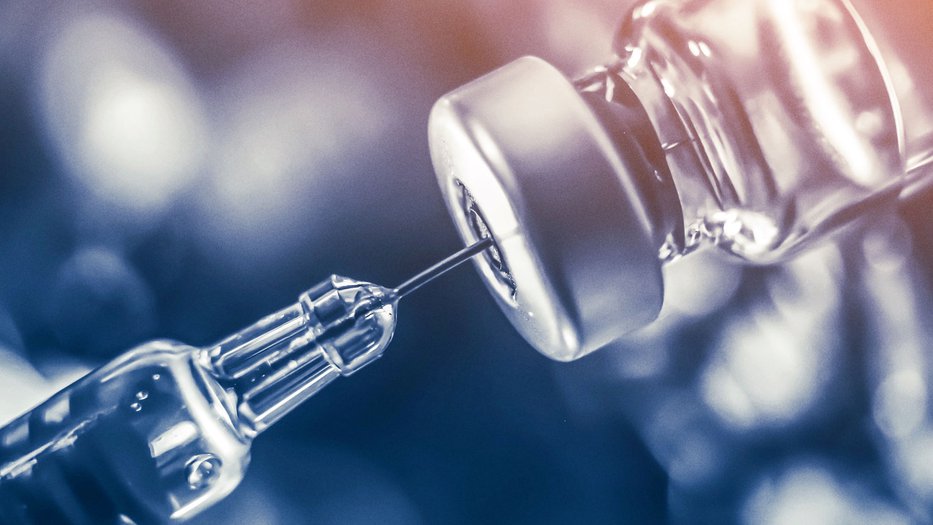
The World Health Organization (WHO) reports that vaccines prevent around 1.8 million deaths each year across Africa, highlighting their essential role in protecting public health. During African Vaccination Week (April 24–30), themed “For Every Generation, Vaccines Work,” WHO Regional Director for Africa, Dr Mohammed Janabi, emphasised that immunisation saves lives and strengthens communities.
He noted that vaccines not only protect children but also support long-term health through HPV protection for adolescent girls, maternal vaccines for mothers and newborns, and booster doses that maintain immunity into adulthood. Across the continent, progress continues with digital tracking systems, solar-powered cold storage, and community-led outreach improving vaccine delivery and access.
WHO highlights that malaria vaccines are now being introduced in 25 countries, while Cabo Verde, Mauritius and Seychelles have eliminated measles and rubella. Additionally, the Big Catch-Up initiative has reached millions of unvaccinated children, restoring coverage for diseases such as diphtheria, tetanus and whooping cough to pre-pandemic levels. However, challenges persist as millions of children remain unvaccinated or under-immunised, particularly in conflict-affected and hard-to-reach areas.
Janabi urged governments and partners to strengthen commitment, increase domestic funding and expand collaboration, stressing that immunisation is not only lifesaving but also highly cost-effective, delivering an estimated $44 return for every dollar invested in public health systems.
This continued investment ensures stronger health security, reduces disease outbreaks, and builds resilient African communities for future generations. We must ensure vaccines remain priority across Africa through partnerships innovation and equitable access for all populations to sustain progress continent-wide effectively today.
