

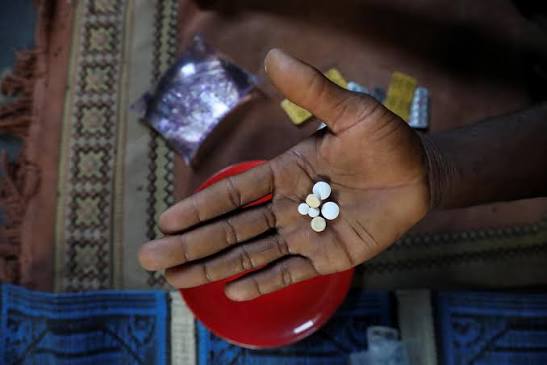
Nigeria continues to face a serious challenge with counterfeit products, with fake medicines, cosmetics, food items, drinks, toothpaste, supplements and baby products finding their way into the market.
The growing problem poses serious risks to consumers because counterfeit products can be packaged to look almost identical to genuine products, making them difficult to identify.
Regulatory agencies such as the National Agency for Food and Drug Administration and Control (NAFDAC) have continued to issue alerts and recalls, but the scale of the problem requires a broader response.
Counterfeit products can cause poisoning, organ damage, treatment failure and, in severe cases, death. The situation is further worsened by economic hardship, which can push consumers towards cheaper products without adequate verification.
Tackling the problem will require stronger law enforcement, improved border controls and greater cooperation from manufacturers. Companies also need to strengthen anti-counterfeiting measures to make their products harder to replicate.
Consumers, meanwhile, must remain vigilant by checking product details, packaging and regulatory information before making purchases.
The fight against counterfeit products cannot be left to regulators alone. Government agencies, manufacturers and consumers must work together to protect Nigerians from potentially dangerous products.
