

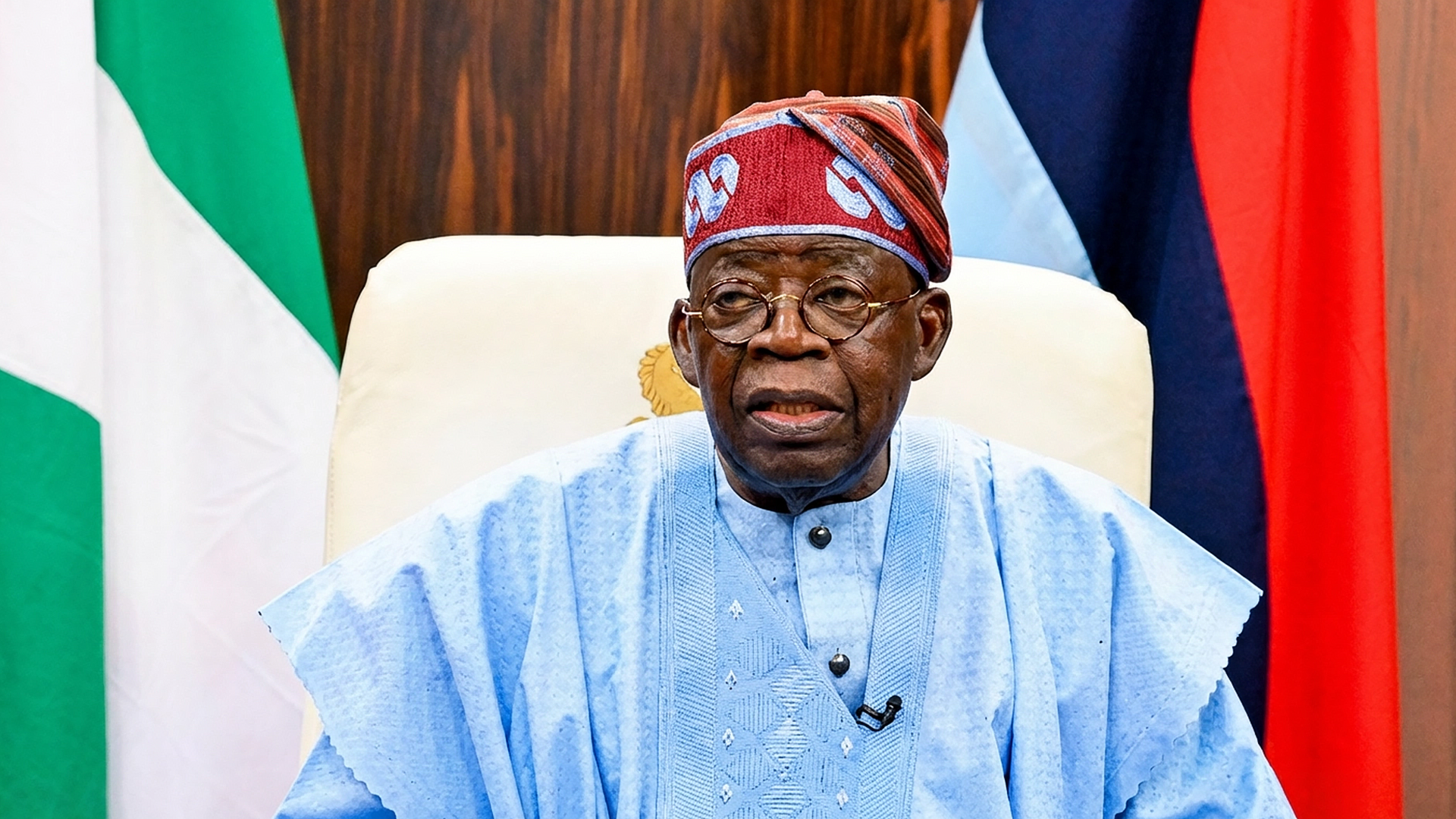
President Bola Ahmed Tinubu emerged victorious after defeating his sole challenger in a keenly watched political contest, further strengthening his influence within Nigeria’s political landscape. The outcome has continued to generate conversations across political circles, with supporters describing the victory as a reflection of growing confidence in Tinubu’s leadership style and governance agenda.
The contest, which attracted significant public attention, showcased the intense political calculations ahead of future national developments. Although the challenger attempted to gain momentum through criticism and alternative policy promises, Tinubu maintained strong backing from party loyalists and political stakeholders throughout the process.
Observers noted that the President’s political structure, strategic alliances, and long-standing influence played a major role in securing the win. In addition, many supporters believe his administration’s economic reforms and infrastructural plans contributed to the outcome despite ongoing national challenges.
Meanwhile, analysts have argued that the victory could further consolidate Tinubu’s authority within his political camp while positioning him strongly for upcoming negotiations and policy decisions. However, critics insist that Nigerians will continue to judge the administration based on economic realities, security improvements, and living conditions across the country.
Following the announcement, supporters celebrated the development, describing it as a decisive triumph against opposition within the contest. Political watchers also expect the victory to shape future alignments and strengthen Tinubu’s standing ahead of major political activities in Nigeria.
As reactions continue to pour in, attention now shifts toward how the administration intends to build on the momentum generated by the latest political success.
