

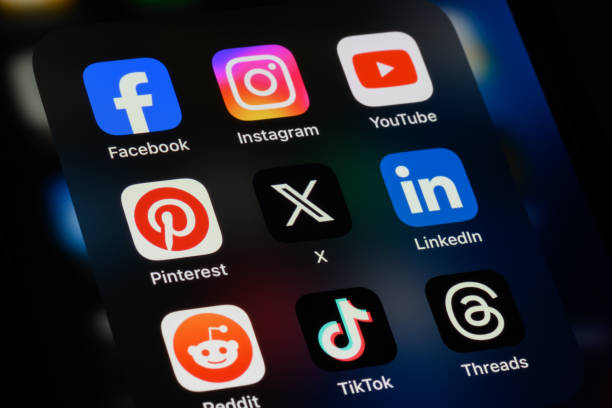
In the constantly changing world of social media, platforms like Twitter, Instagram, and TikTok have become powerful forces that influence mental health and shape social norms. The newest trends exhibited on these platforms have sparked deep conversations on their wider consequences and the toll they have on mental health.
Julia, a talented graphic designer, found herself comparing her work to people’s work on Instagram not knowing that Instagram being a visual platform has enabled users to carefully manage their profiles to create the appearance of flawlessness, which has given rise to the “Instagram aesthetics” trend. Particularly among the younger population, this pursuit of unachievable standards has led to feelings of inadequacy and self-doubt. Julia was suffocated by this web of comparison and she was unable to express herself creatively until she decided to break free and find her artistic voice again. Additionally, a friend once told me that because she doesn’t have enough followers on Instagram, she decided not to upload her pictures because getting few likes and comments makes her feel down. This shows the distress caused by the pressure to gain validation through likes and followers and what social media does to people’s self-esteem and well-being.
The creator of short-form video content, TikTok, has also contributed to the rise of a viral trend culture that includes anything from the latest trends in fashion to catchy dance challenges. But this has also drawn criticism for encouraging a poisonous atmosphere of rivalry and comparison as well as unattainable beauty standards. Esther, a 23-year-old user, noted that she got stuck in a never-ending effort to mimic viral trends, which ultimately resulted in anxiety and feelings of inadequacy. She was only able to restore her sense of self-worth and concentrate on her special talents by stepping away from the platform. One aspiring content creator, David, talked about the thrill of having a video go viral, but he also talked about how the pressure to always create interesting content affects his mental health. However, despite these drawbacks, viral challenges on TikTok have sparked a feeling of community and brought people together. The platform has changed the public’s perception of entertainment by increasing celebrity and pushing relatively unnoticed people to success.
These trends have both beneficial and harmful repercussions on mental health and society. These platforms can strengthen communities, encourage creativity, and provide a voice to underrepresented groups, but they can also reinforce unachievable standards, develop a culture of comparison, and lead to information overload, all of which heighten stress and emotional turmoil. Managing this digital environment requires awareness, which includes setting limits on screen time, curating feeds to remove harmful content, and being prepared to ask friends, family, or mental health professionals for help when experiencing negative social media effects.
In essence, it is indisputable that social media trends have an impact on society and mental health. Through analysis and interpretation of their impact, one can work to maximize their benefits and minimize their drawbacks to provide an online space that promotes genuineness and protects community welfare.

6 Comments
A well detailed argument.
Wisdom is profitable to direct.
We should allow wisdom to guide us
Thank you for this information
👏👏👏👏
This is a well-written piece, and all ideas are well curated. Thank you for this information
This is a well-written piece, and all ideas are well curated.
Just like many things in the world, the engagement of social media must be done painstakingly… It’s like a fallen log of wood from which grows mushroom for soup but underneath is full of insects and worms.