

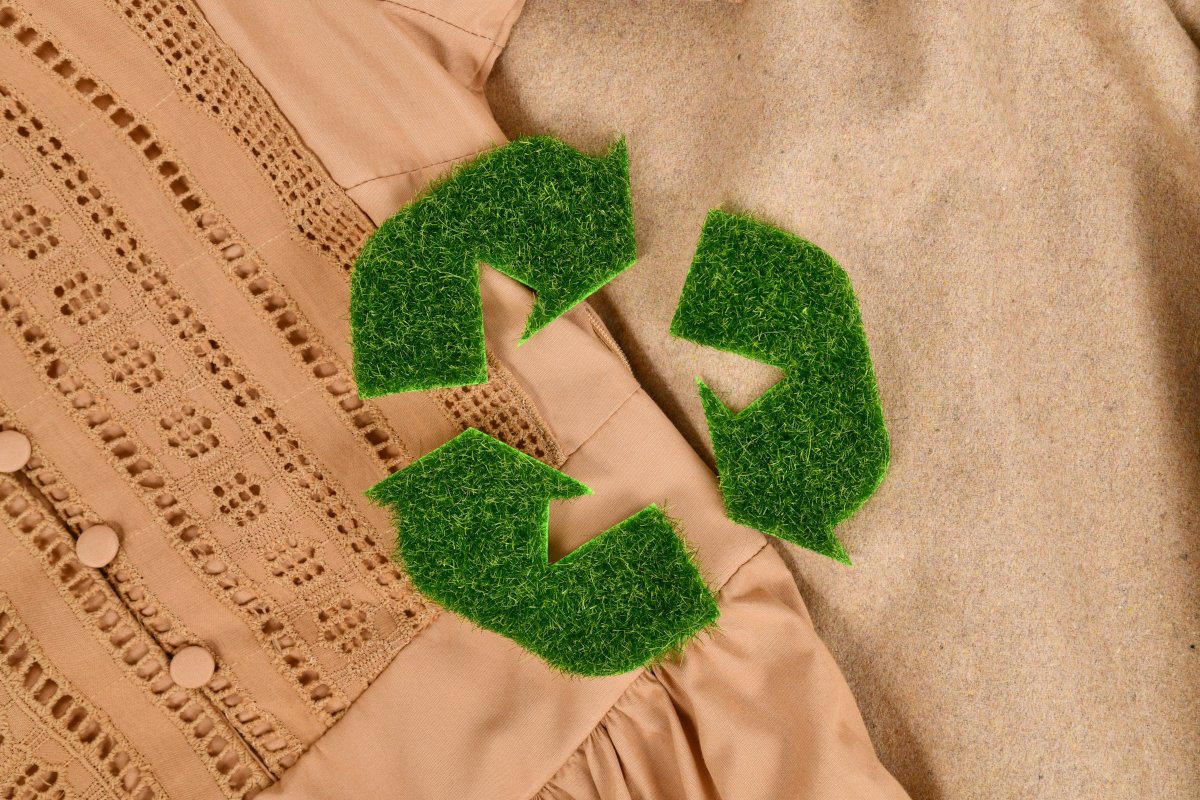
Nigeria’s fashion industry is evolving rapidly. Sustainability now influences many design choices. Eco-friendly fashion focuses on reducing environmental impact. Designers prioritize responsible materials and production. For instance, many brands now use organic fabrics. Others recycle textile waste into new designs. This shift reflects growing environmental awareness.
Young Nigerian designers lead this movement. They combine creativity with environmental responsibility. Consequently, eco-friendly collections now appear on major runways. Consumers also support sustainable fashion increasingly. Many shoppers prefer quality clothing lasting longer. Fast fashion often creates excessive waste. Sustainable fashion offers a healthier alternative.
Furthermore, eco-friendly brands promote ethical production. Fair wages and safe working conditions remain priorities. This approach benefits both workers and the environment. Social media also drives sustainability awareness. Influencers encourage followers to support responsible brands. Additionally, fashion schools now teach sustainable design principles.
These programs prepare future designers for global standards. Eco-friendly fashion also opens international opportunities. Global markets increasingly demand sustainable products. Therefore, Nigerian designers can compete worldwide. However, challenges remain. Sustainable materials sometimes cost more initially.
Nevertheless, long-term benefits outweigh these obstacles. Ultimately, eco-friendly fashion represents the industry’s future. Nigerian designers now prove style and sustainability can coexist. Fashion can express beauty while protecting the planet.
