

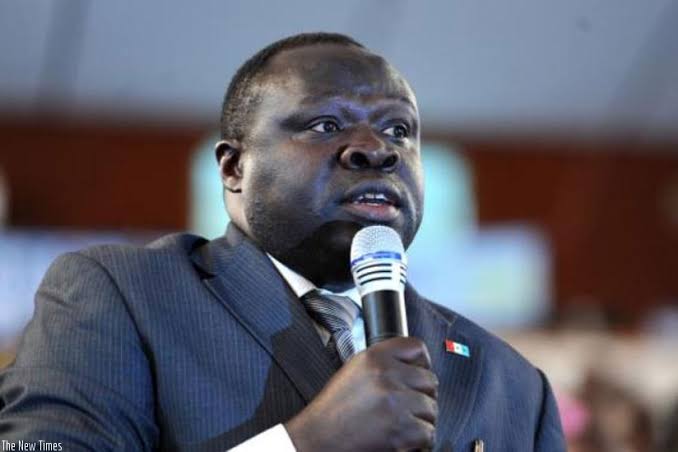
Christophe Bazivamo, Rwanda’s High Commissioner to Nigeria, has urged the international community to take decisive, united action against hate speech and dangerous ideologies that could lead to genocide. Speaking at the 31st anniversary of the 1994 Rwandan genocide in Abuja, Bazivamo emphasized the urgent need to confront the early warning signs of division and violence.
Under the theme “Remember–Unite–Renew,” he reminded attendees of the devastating toll of the 1994 genocide, which claimed more than a million lives. Bazivamo warned that hate speech is often rooted in ideologies that strip away humanity and foster division — creating conditions for large-scale violence.
He stressed that increasing global polarization and the misuse of digital platforms are fueling the spread of hateful narratives. Bazivamo called for global vigilance and swift action to curb these threats, stating that the responsibility lies with all nations, not just Rwanda.
The High Commissioner of Rwanda also highlighted the ongoing challenge of genocide denial and historical distortion, warning that such narratives only deepen wounds and stall reconciliation. He called on governments to uphold their commitments to international human rights and the Genocide Convention by actively working to prevent hate-fueled violence.
Also speaking at the event, UN Resident Coordinator in Nigeria, Mohamed Fall, reinforced Bazivamo’s message. Represented by Beatrice Eyong of UN Women, Fall stressed that the 1994 genocide was not spontaneous, but a premeditated attack rooted in long-standing hatred. He noted troubling similarities in today’s online hate trends and societal divisions.
Both leaders called on world governments, civil society, and individuals to promote truth, justice, and education as tools to fight hate. They urged the international community to turn the promise of “Never Again” into meaningful, sustained global action.
