

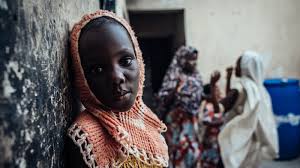
Sickle cell disease continues to place a heavy emotional and financial burden on Nigerian families, with many facing repeated pain crises, hospital visits, and early deaths.
Nigeria remains the global epicentre of the condition, recording over 150,000 affected births annually. Limited access to healthcare, poor awareness, and weak screening systems worsen outcomes.
Families shared heartbreaking stories of losing children and loved ones due to delayed treatment, lack of blood, and high medical costs.
Experts say while advanced treatments like bone marrow or stem cell therapy offer hope, they remain largely unaffordable for most Nigerians.
Health advocates are calling for stronger government support, cheaper drugs, better screening, and improved public awareness.
