

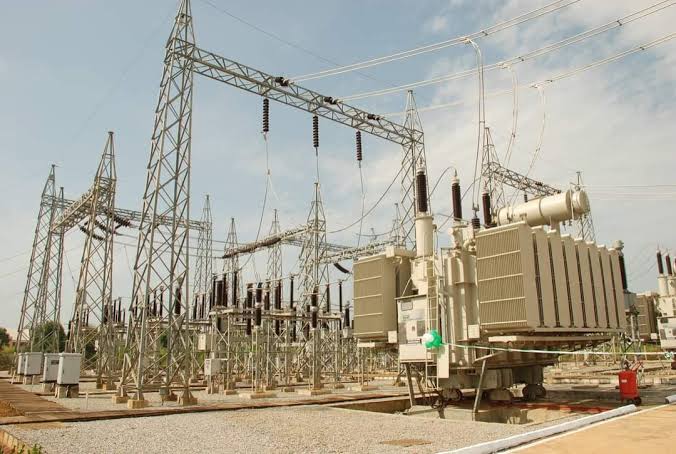
Nigeria’s national power grid collapsed on Monday after several major power plants stopped generating electricity. The sudden failure occurred around 3 pm, according to industry checks and system data. As a result, many homes and businesses across the country were thrown into darkness.
Earlier that day, electricity generation had shown signs of improvement nationwide. Specifically, output peaked at approximately 4,800 megawatts during the afternoon hours. However, the situation changed rapidly and unexpectedly within a short period.
By 3 pm, generation had dropped sharply to about 139 megawatts.This drastic fall signaled a complete system collapse across the national grid. Meanwhile, the exact cause of the incident remained unclear at the time of reporting.
However, the collapse occurred during efforts to increase national power supply. The Nigerian Independent System Operator had been working to ramp up generation. These efforts followed recent gas supply disruptions across several power stations.
Pipeline vandalism had previously constrained gas availability for electricity generation. Consequently, many plants struggled to operate at optimal capacity. As events unfolded, the situation worsened across the power sector.
Reports confirmed that all 22 grid-connected power plants lost generation. This total shutdown further highlighted the fragility of the national grid. In addition, the collapse raised renewed concerns about infrastructure stability.
Energy experts continue to call for urgent reforms within the electricity sector. They emphasize improved security, maintenance, and investment in power infrastructure.
For now, Nigerians await official explanations and recovery updates. Authorities are expected to restore supply gradually once stability improves. Until then, citizens and businesses must rely on alternative energy sources.
