

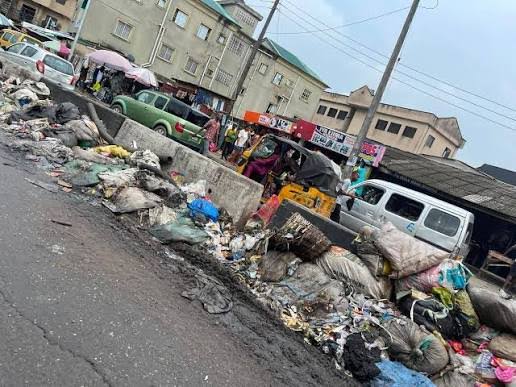
Lagos State is facing renewed concerns over waste management as uncollected refuse piles up across parts of the megacity, with some residents reportedly living with waste on their streets for months.
The state’s Deputy Governor, Obafemi Hamzat, recently disclosed that Lagos generates about 17,000 tonnes of waste daily, significantly higher than the previously estimated 13,000 tonnes.
The increase has complicated waste collection efforts, particularly as many of the approximately 420 Private Sector Participants reportedly lack enough functional trucks.
Lagos State Waste Management Authority boss Muyiwa Gbadegesin also cited ageing landfills, flooded access roads, rising diesel costs and rapid urbanisation as challenges affecting operations.
The situation has encouraged some residents to dump waste illegally or patronise cart-pushers who dispose of refuse at unauthorised locations, worsening environmental and health risks.
The state government reportedly ordered 100 new trucks, but their delivery has been delayed until September.
Experts have called for better data, stronger partnerships with competent private operators and greater use of technology.
Lagos is also developing recycling and waste-to-energy facilities, including material recovery centres and transfer loading stations.
However, the worsening crisis shows that the state urgently needs a sustainable long-term waste management strategy.
