

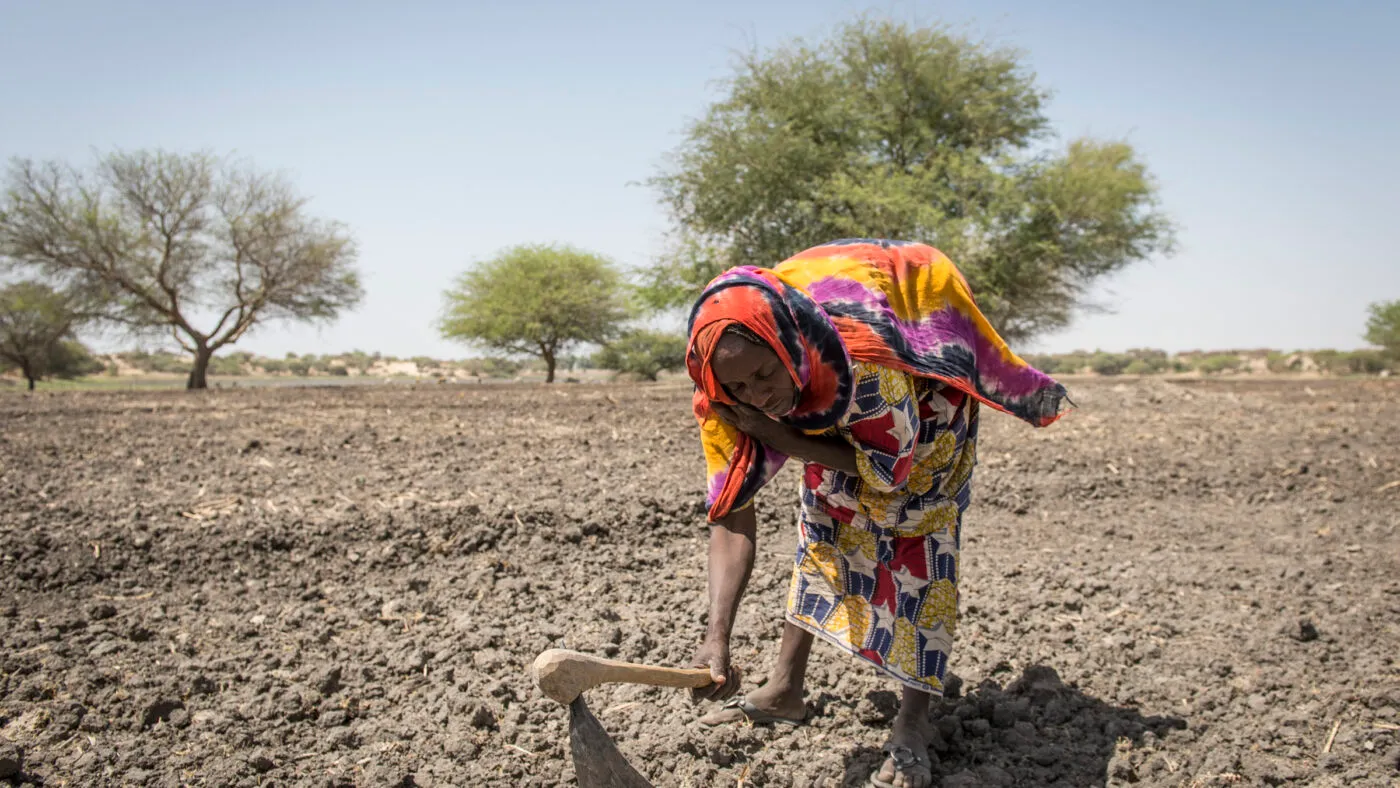
Rising insecurity across northern Nigeria is threatening food production as farmers abandon their farms because of attacks, extortion and violence by terrorists and bandits.
Reports from several states, including Sokoto, Zamfara, Katsina, Plateau, Benue, Niger and Borno, indicate that farmers are increasingly being forced away from their fields or made to pay levies before they can cultivate their own land.
The situation has serious consequences for Nigeria’s food security, as farmers who cannot safely access or harvest their farms cannot produce enough food to meet growing demand.
Data cited from the World Bank showed that crop losses increased from about six per cent of cultivated plots in 2018/19 to more than 20 per cent in 2023/24.
Borno State has been particularly affected by insurgency, with agricultural production severely disrupted. A 2025 study estimated that Boko Haram violence had significantly undermined the state’s potential for wheat production.
Beyond the loss of agricultural output, farmers and fishing communities have also suffered deadly attacks. Previous incidents in Borno claimed the lives of dozens of farmers and fishermen, further discouraging people from returning to their fields.
The economic consequences are already being felt across the country. Nigeria spent N7.65tn on food and beverage imports in 2025, despite having about 37 million hectares of arable land.
With crop production accounting for a major share of Nigeria’s agricultural output, experts say the country cannot achieve food security without first addressing insecurity in farming communities.
Beyond military operations, farmers also require reliable access to fertiliser, infrastructure and markets.
Nigeria has the land, workforce and agricultural diversity needed to become a major food producer. However, without safer farming communities and consistent policies, insecurity will continue to undermine that potential.
