

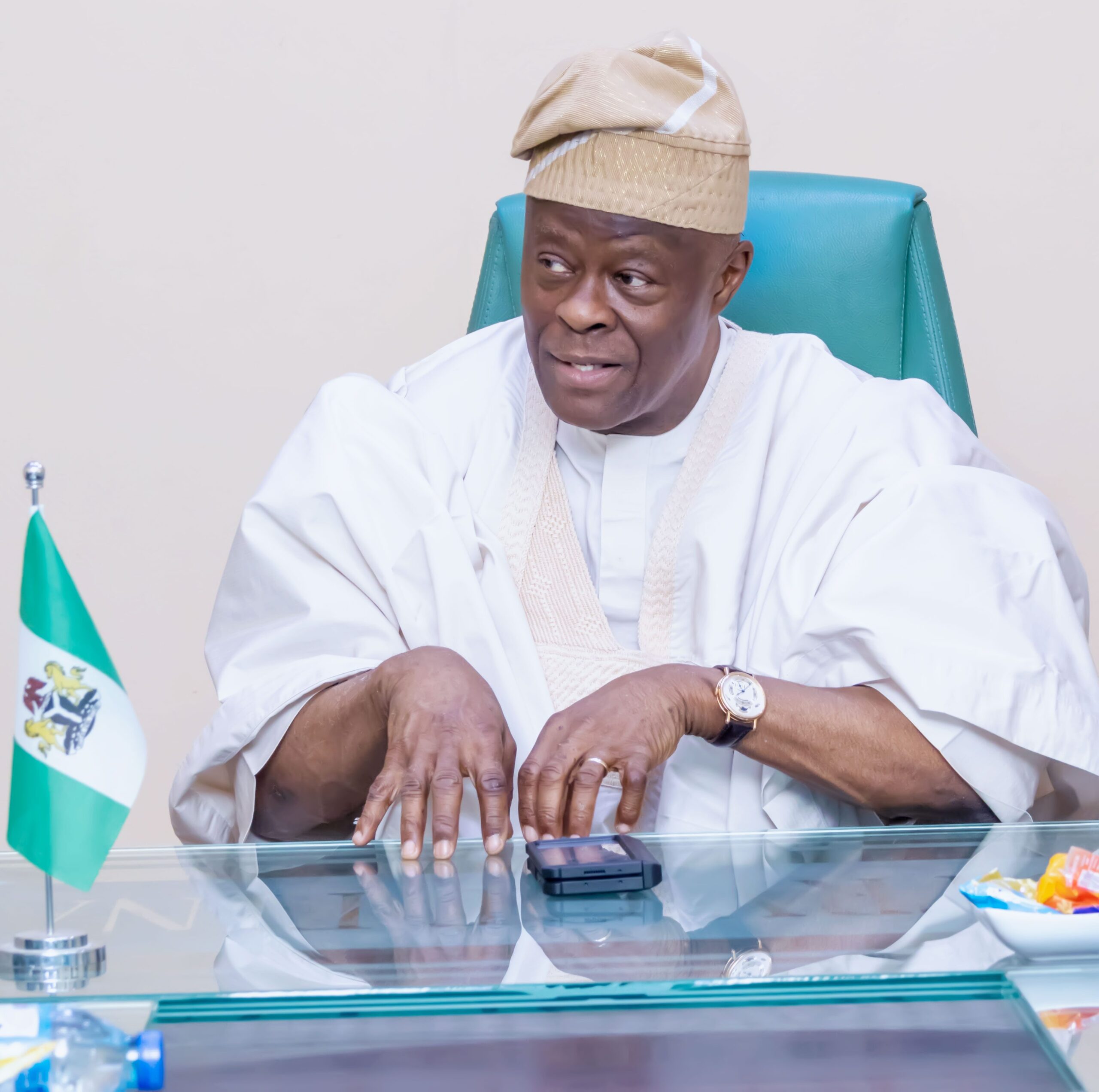
The Federal Government has ruled out borrowing from the International Monetary Fund’s proposed $50bn support facility. This decision reflects Nigeria’s current fiscal stance and cautious debt management strategy. Meanwhile, the IMF recently announced plans to assist struggling African economies facing financial pressure. However, Nigeria’s Finance Minister, Wale Edun, dismissed any intention to seek such funding.
He made this clear during the World Bank and IMF Spring Meetings in Washington DC. Earlier, IMF Managing Director Kristalina Georgieva urged countries to seek financial help promptly when needed. She warned that delayed action could worsen economic conditions and deepen financial instability. Additionally, she revealed that the IMF plans to deploy between $20bn and $50bn.
This funding aims to support countries experiencing both existing and emerging economic challenges. Notably, many affected nations are located in Sub-Saharan Africa. Despite this, Nigeria maintains it will not approach the IMF for loans currently. Furthermore, Edun emphasized that African economies require urgent global support amid ongoing crises. He highlighted the disproportionate impact of the Middle East conflict on African nations.
Although Africa did not cause the crisis, its economies face severe consequences. These challenges include threats to macroeconomic stability, job creation, and poverty reduction efforts. Similarly, rising oil prices continue to strain energy-importing countries across the continent. Georgieva also warned that global economic growth could slow significantly due to ongoing disruptions.
She projected growth could decline further if geopolitical tensions persist. Therefore, governments must strengthen fiscal policies and build economic resilience during stable periods.
