

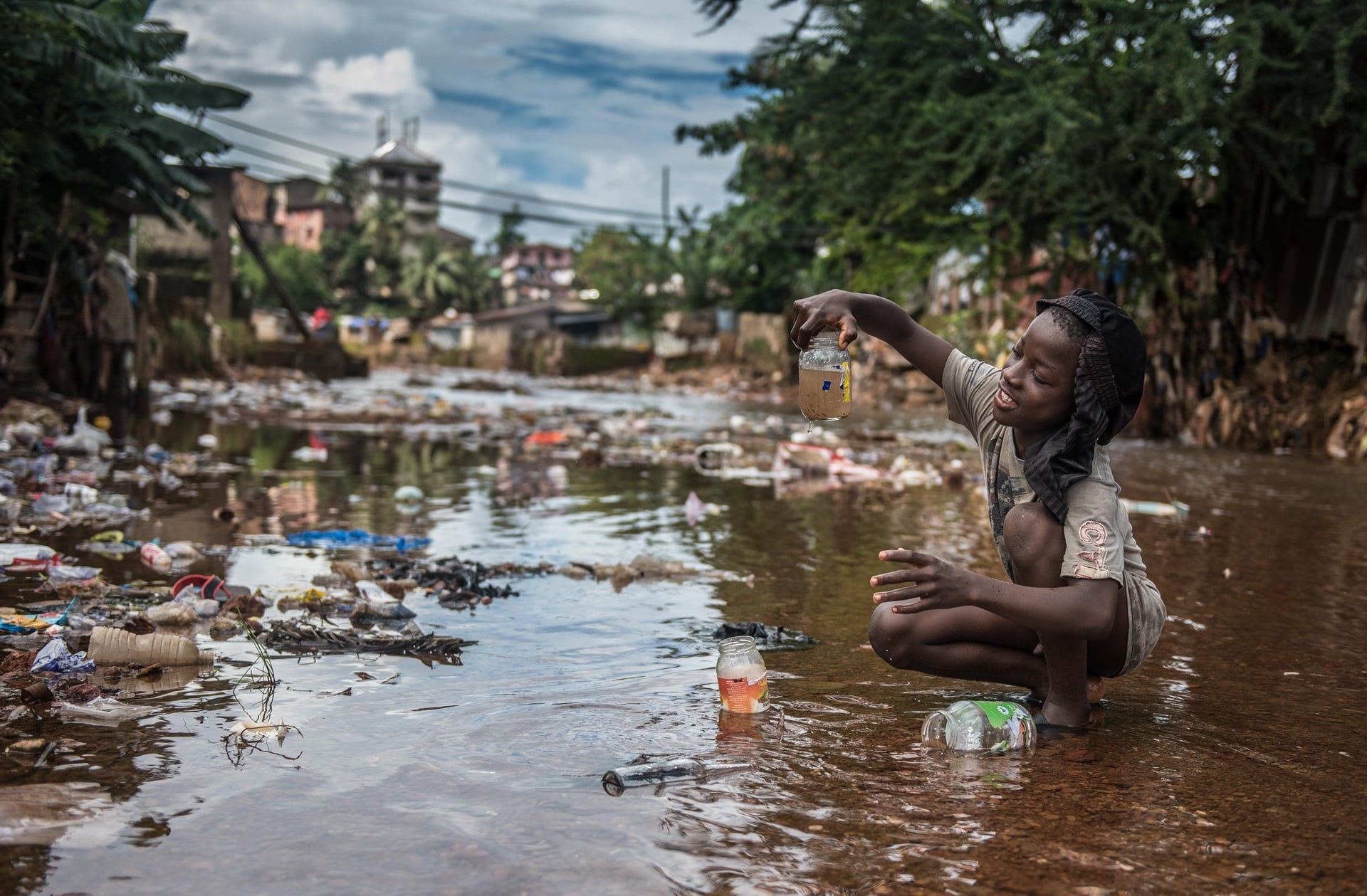
Lagos State Government has alerted communities about potential heavy rainfall and flooding in the coming weeks. Health and environmental experts emphasize urgent measures to prevent disease outbreaks, especially cholera. Floodwaters often contaminate drinking sources and create breeding grounds for harmful organisms, increasing infection risks. Residents are therefore urged to practice strict hygiene and sanitation.
Experts identified cholera, typhoid, malaria, and other water-borne diseases as major threats during floods. Lagos Commissioner for Environment and Water Resources, Tokunbo Wahab, warned that the 2026 Seasonal Climate Prediction forecasts about 1,965mm of rainfall in the state. Wahab advised residents to prepare for flash flooding, property risks, and possible disruptions to commerce and transport.
Dr. Obioma Uchendu, Consultant Community Physician at University College Hospital, Ibadan, highlighted the importance of safe drinking water. He recommended boiling water after floods and maintaining proper sewage and refuse disposal. Open defecation must be avoided, as faeces entering water bodies can rapidly spread infections.
Personal hygiene remains crucial. Handwashing with soap, covering food, and prompt medical care can prevent disease. Afolabi Abiodun, President of the Africa Environmental Health Organisation, stressed that blocked drainage, weak law enforcement, and poor public awareness worsen flooding impacts. Communities must maintain waterways and clear drains before and during the rainy season.
By adopting proper sanitation, personal hygiene, and proactive environmental management, Lagos residents can reduce disease risks and protect lives during the rainy season.
