

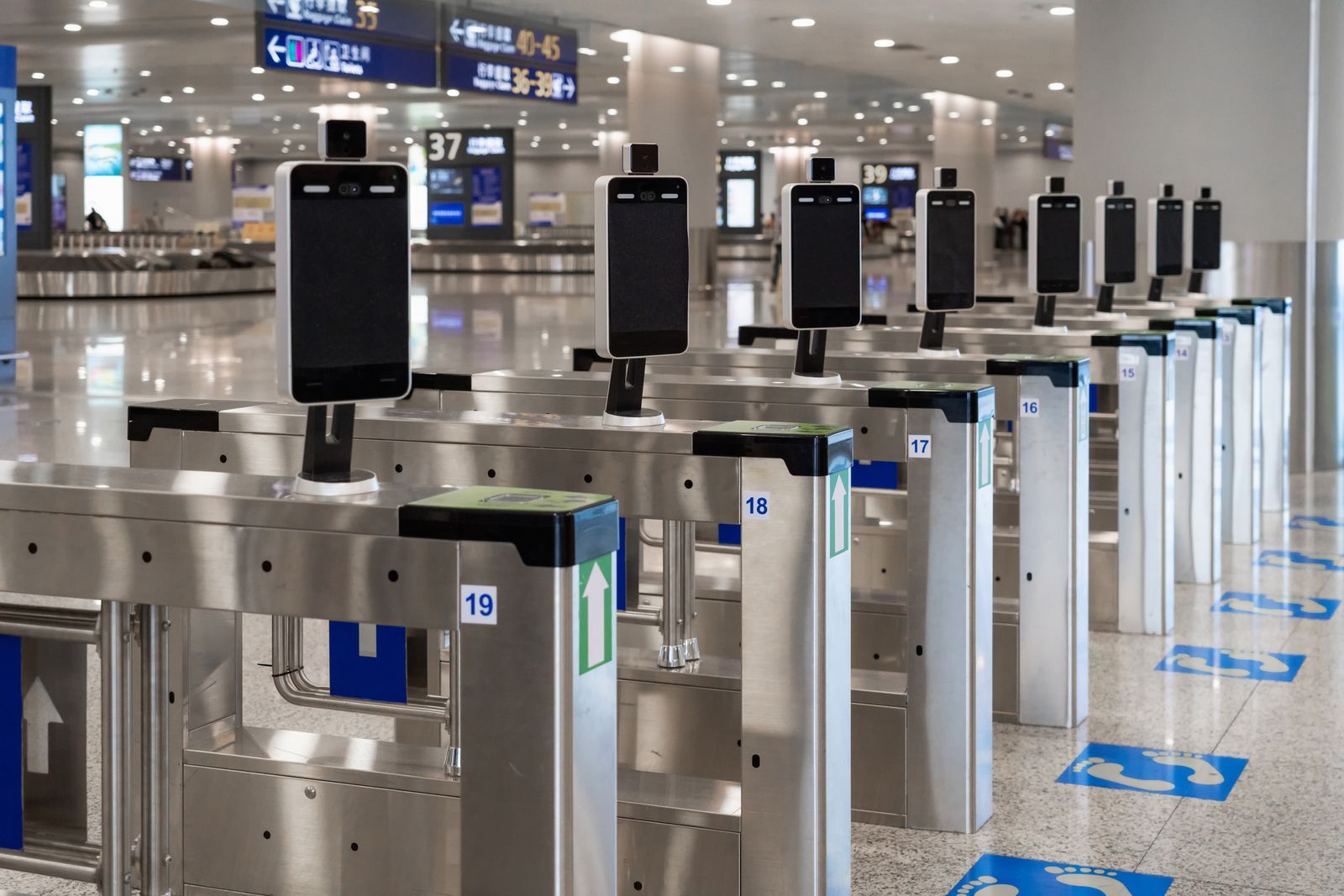
The European Union will begin mandatory fingerprint and facial scans for non-EU travellers under its new Entry and Exit System (EES) starting October 12, 2025, the European Commission has announced.
According to the Commission, the rollout will begin gradually at major airports and land borders before becoming fully operational on April 10, 2026.
The EES is an automated digital platform designed to record the movement of non-EU nationals entering and leaving participating countries such as France, Spain, Iceland, Norway, and Switzerland. It will apply to all non-EU visitors on short stays of up to 90 days within any 180-day period.
Children under 12 will be exempted from fingerprinting.
The new system will replace traditional passport stamping with a digital database that logs travellers’ entry and exit dates, aiming to streamline border checks and improve efficiency. Travellers will also be able to use self-service kiosksa nd submit information in advance to reduce waiting times.
“The EES will gradually replace passport stamps with a digital system that records when travellers enter and exit, making border checks faster and helping staff to work more efficiently,” the EU said in a statement.
The system is intended to modernise border management, combat identity fraud, and better monitor visa overstays.
Biometric and personal data collected under the system will be stored for up to three years but will not be shared with third parties, the EU added.
Analysts say the move will tighten border enforcement for Nigerian travellers and other non-EU nationals, as overstaying could now lead to entry bans, visa refusals, fines, or deportation.
Originally announced in 2023, the Entry and Exit System was initially slated to launch in 2024 but faced multiple delays before the new rollout schedule was confirmed.
