

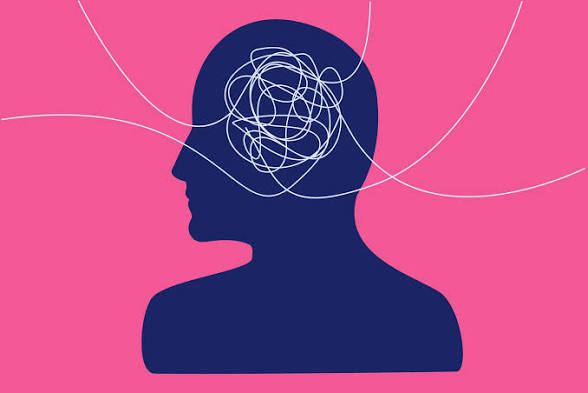
Digital technology connects people instantly. However, constant connectivity also creates mental pressure. Many Nigerians now practice digital detox routines. They intentionally reduce time spent on screens. First, excessive social media causes emotional fatigue. Endless notifications often interrupt concentration. Consequently, people feel overwhelmed and distracted daily.
Digital detox encourages healthier technology boundaries. People schedule hours without phones or laptops. During these breaks, individuals reconnect with real-life activities. Reading, walking, and conversation replace screen time. Furthermore, digital detox improves sleep quality. Blue light exposure often disrupts natural sleep cycles.Reducing nighttime phone use helps restore restful sleep.
Many professionals now schedule “offline evenings.” This habit allows the brain to relax. Families also benefit from screen-free dinners. Conversations become deeper and more meaningful. Moreover, digital detox improves productivity. Fewer distractions help people complete tasks faster. Mental clarity also increases significantly. Young Nigerians increasingly recognize these benefits.
They now prioritize balance between technology and wellbeing. Interestingly, businesses also support digital wellness initiatives. Some companies encourage employees to limit after-hours emails. This trend reflects growing mental health awareness nationwide.Ultimately, digital detox is not rejecting technology. Instead, it promotes healthier digital habits.
Balanced technology use protects both productivity and peace of mind. Therefore, switching off occasionally may improve overall wellbeing. Sometimes the best connection begins by disconnecting.
