

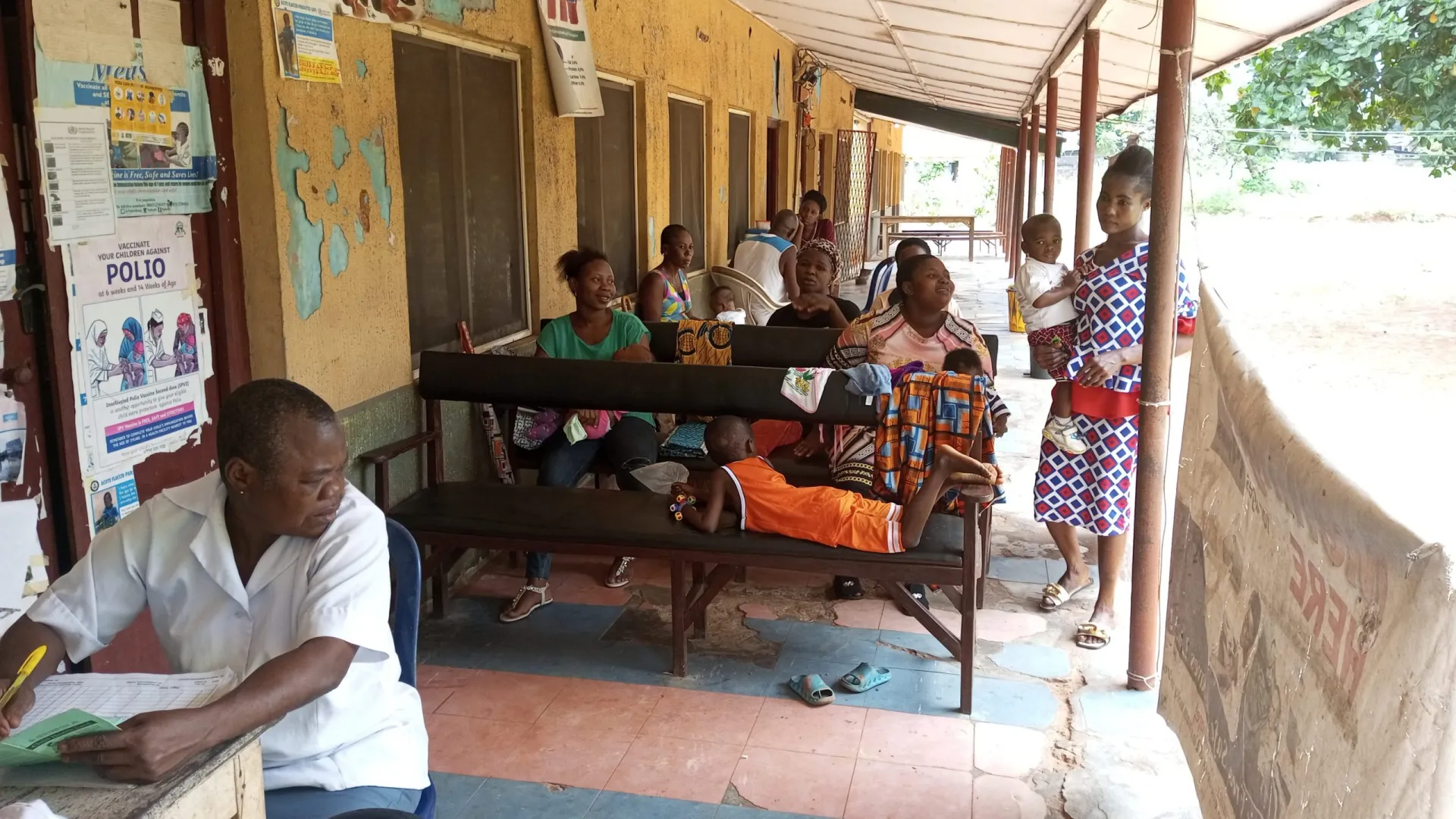
Nearly two-thirds of global maternal deaths occur in countries affected by conflict or fragility, according to a new report released by the World Health Organization (WHO) and partners.
The brief was produced by WHO alongside an inter-agency group including United Nations Development Programme(UNDP), United Nations Population Fund (UNFPA), United Nations Children’s Fund (UNICEF), and the World Bank.
According to the report, women living in conflict-affected countries face a risk of dying from maternal causes that is about five times higher per pregnancy than those in stable nations. In 2023 alone, an estimated 160,000 women died from preventable maternal causes in fragile and conflict settings—accounting for six in 10 maternal deaths worldwide—despite these countries representing only about one in 10 global live births.
The report highlighted how crises weaken health systems, making it difficult to provide consistent, lifesaving maternal care. It noted that factors such as gender, ethnicity, age and migration status further increase risks for pregnant women in fragile contexts.
The disparity is particularly stark among adolescents. A 15-year-old girl living in a conflict-affected country in 2023 faced a one in 51 lifetime risk of dying from a maternal cause, compared to one in 79 in institutionally fragile settings and one in 593 in relatively stable countries.
Maternal mortality ratios also varied sharply. Conflict-affected countries recorded an estimated 504 deaths per 100,000 live births, while institutionally and socially fragile countries had 368. In contrast, countries outside these categories reported a much lower ratio of 99.
The findings build on last year’s maternal mortality estimates from 2000 to 2023, which showed that global progress has stalled, especially in low-income and crisis-affected regions.
Despite the challenges, the report highlighted innovative responses by frontline health workers and communities. These include adapting services to cultural needs, restoring disrupted care, reorganising hospital services under security threats and improving coordination to ensure continuity of maternal healthcare.
