

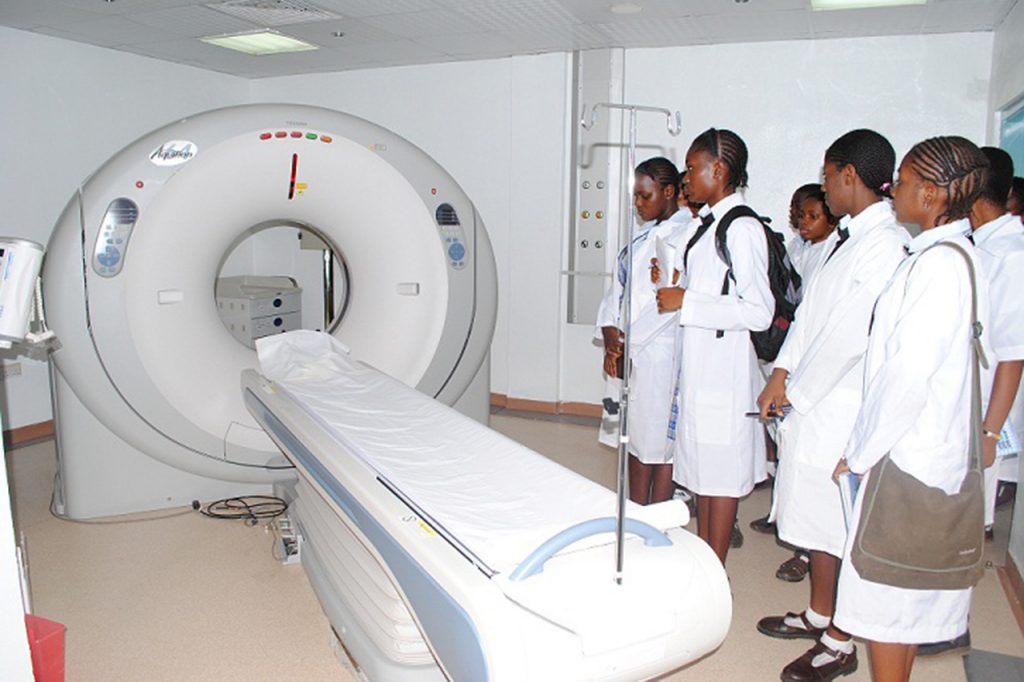
More than 60 per cent of Nigeria’s trained radiographers now work overseas, according to senior medical experts. This growing migration is straining an already fragile healthcare structure. Doctors and educators report that many professionals leave because of poor pay and limited career growth. Moreover, outdated machines and difficult working conditions push many away from public and private hospitals.
However, they warn that this talent loss threatens the country’s diagnostic strength. Speaking at the 57th Annual Conference of the Association of Radiographers of Nigeria in Lagos, Professor Nzotta Christian highlighted the seriousness of the situation. He noted that the country has produced over 15,000 radiographers. Yet less than 5,000 currently work within Nigeria. Therefore, over 60 per cent practise in Europe.
Christian explained that modern medical equipment demands stable power supply and high maintenance. These requirements reduce available opportunities for local practitioners. Consequently, many radiographers pursue careers in countries with better technology and conditions.
Professor Felix Erondu from Gregory University added that the shortage slows diagnosis in hospitals. Waiting times for essential imaging continue to rise. He noted that remaining professionals struggle with burnout, low morale, and poor pay. This situation directly affects patient care.
He also explained that Nigeria has less than five per cent of the radiographers recommended by the World Health Organisation. With only around 5,000 active practitioners instead of 50,000, hospitals face critical gaps. As a result, most radiography students now plan careers abroad. Many of them believe opportunities at home remain limited.
