

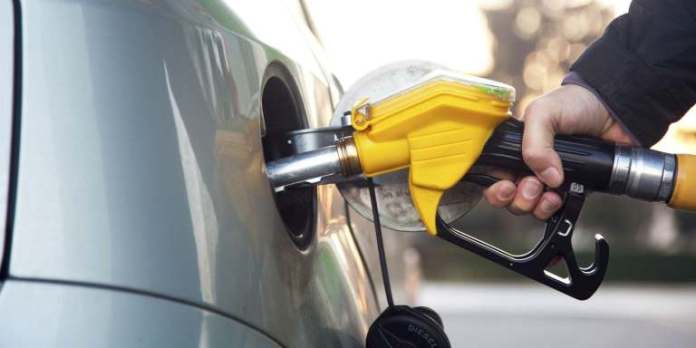
The National Bureau of Statistics (NBS) has reported a sharp rise in fuel prices across Nigeria, revealing a significant month-on-month jump in petrol and diesel costs in its March Price Watch report. The latest figures highlight increasing pressure on households and businesses as energy expenses continue to climb.
According to the report, the average retail price of petrol rose from N1,051.47 in February to N1,288.54 in March, marking a 22.55 percent increase. On a year-on-year basis, prices also edged up from N1,261.65 in March 2025 to N1,288.54 in March 2026, reflecting a 2.13 percent rise. This indicates persistent upward pressure in the downstream sector.
State-level analysis shows Anambra recorded the highest petrol price at N1,441.22 per litre, followed by Sokoto and Borno. Meanwhile, Lagos, Ogun, and Kaduna posted the lowest prices nationwide. Regionally, the North-East recorded the highest average, while the South-West remained the lowest.
Similarly, diesel prices climbed from N1,420.17 in February to N1,648.08 in March, representing a 16.05 percent monthly increase. Year-on-year, diesel rose slightly from N1,599.30 in March 2025 to N1,648.08 in March 2026. Ebonyi, Akwa Ibom, and Osun recorded the highest prices, while Kogi, Katsina, and Enugu were the cheapest states.
Experts attribute the surge to global geopolitical tensions, particularly disruptions linked to the US-Iran conflict that have tightened crude oil supply. As a result, transportation costs are rising, inflationary pressures are building, and consumers across Nigeria continue to feel the economic strain. Overall, the trend signals sustained fuel-driven inflation risks for Nigeria’s economy going forward.
