

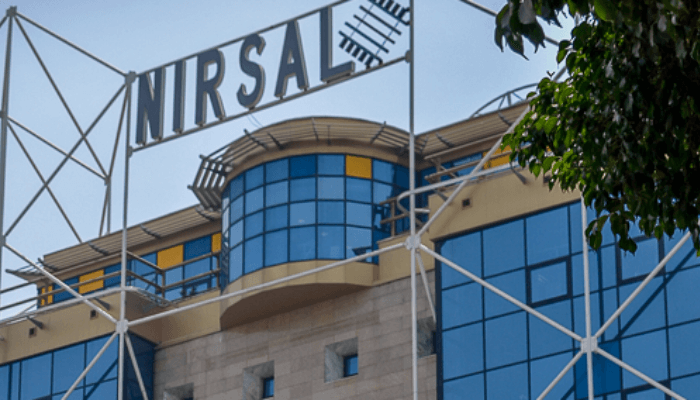
The Nigeria Incentive-Based Risk Sharing System for Agricultural Lending (NIRSAL Plc) has reached a major milestone, facilitating over N70 billion in commercial financing for agribusinesses as of the third quarter of 2025. Announced on Wednesday, this achievement marks NIRSAL’s strongest annual performance since inception and underscores a significant rebound in agricultural lending across Nigeria.
Founded in 2013 through a partnership between the Central Bank of Nigeria, the Federal Ministry of Agriculture and Food Security, and the Bankers’ Committee, NIRSAL was designed to transform the agriculture sector by enabling affordable and structured financing along the entire value chain.
This financial boost arrives at a pivotal time. Agricultural lending had declined from 6.18% in 2022 to 4.82% in 2024, leading to reduced sectoral growth. However, NIRSAL’s strategic intervention has reversed this trend, lifting agriculture’s share of bank lending to 5.33% as of May 2025. Impressively, over 32% of the facilitated funds directly supported value-added commodity exports, further strengthening Nigeria’s position in global trade.
According to NIRSAL’s Managing Director, Sa’ad Hamidu, the N70bn milestone demonstrates that agriculture can indeed be commercially viable and sustainable. He explained that with the right mix of capital, risk-sharing tools, and technical support, Nigeria’s agriculture can become more competitive, resilient, and globally relevant.
Driven by a revamped strategy and renewed lender confidence, NIRSAL aims to hit its N150bn target for 2025. The institution has also trained over 1,100 bank staff and 450 agricultural value-chain actors, improving expertise and boosting loan approvals.
Looking ahead, NIRSAL is developing the LandBank Portal, a digital ecosystem connecting stakeholders, enhancing data-driven insights, and promoting climate finance initiatives. These innovations will strengthen the agricultural value chain and help drive Nigeria closer to achieving a $1 trillion economy.
