

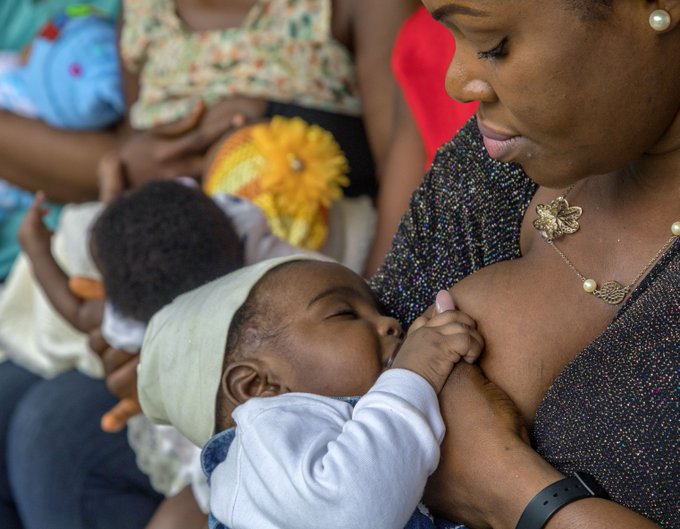
Although more than 90 per cent of Nigerian mothers breastfeed, only 29 per cent of infants are exclusively breastfed during their first six months, highlighting the challenges mothers face in sustaining the practice.
According to the 2023–2024 Nigeria Demographic and Health Survey, only 36 per cent of babies are breastfed within one hour of birth.
For some mothers, breastfeeding difficulties begin shortly after delivery. One mother, Ibrahim, said her baby struggled to latch during the first few days, leaving her exhausted and questioning her ability to provide adequate nourishment.
With support from nurses and her husband, she eventually overcame the challenge and exclusively breastfed her baby for six months.
Health experts say many mothers struggle to sustain breastfeeding because of cultural beliefs, family pressure, workplace conditions, poor latching, fatigue and food insecurity.
For working mothers, returning to work without breastfeeding facilities or flexible arrangements can make exclusive breastfeeding particularly difficult.
Blessing Okafor, a banker and mother, said the absence of a breastfeeding room at her workplace nearly ended her breastfeeding journey.
UNICEF Nigeria Deputy Representative of Programmes, Dr Rownak Khan, said the focus should shift from simply encouraging women to breastfeed to creating conditions that enable them to continue.
She identified maternity protection, breastfeeding-friendly workplaces, family support, health-worker counselling, community mobilisation and stronger enforcement of breast-milk substitute regulations as important measures.
Health professionals also identified sore nipples, breast engorgement, blocked milk ducts, perceived low milk supply, stress and poor positioning as common challenges that can cause mothers to stop breastfeeding.
Food insecurity and rising food prices may further affect mothers’ nutrition, while stress and anxiety can compound the difficulties.
UNICEF estimates that improved breastfeeding practices in Nigeria could save more than 100,000 children’s lives annually, reduce healthcare treatment costs by about $22 million and generate an estimated $21 billion in additional economic value.
Stakeholders therefore say breastfeeding should not be treated as solely a mother’s responsibility but as a shared responsibility involving families, workplaces, communities and the health system.
