

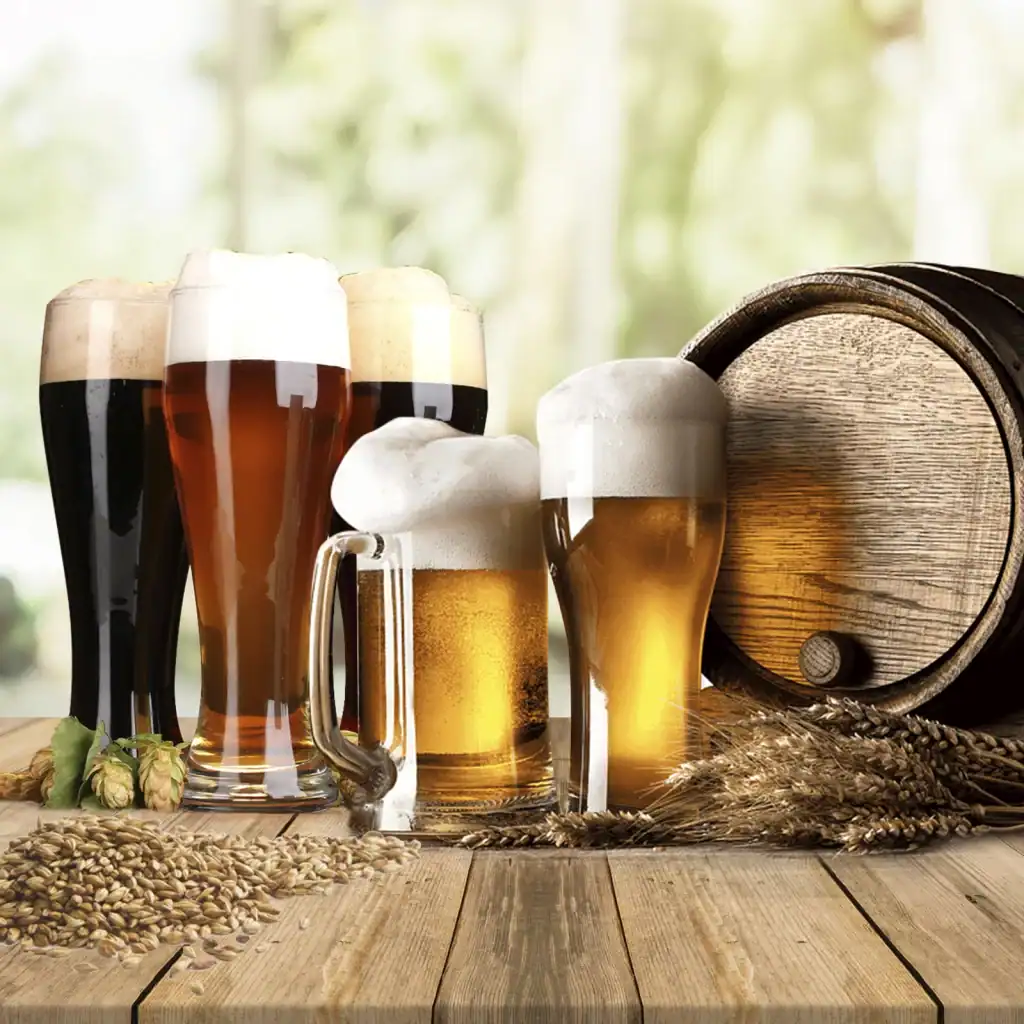
Recent studies reveal that many Nigerians are drinking more beer because of stress. Work pressures, financial struggles, and daily frustrations drive people toward alcohol as a coping mechanism. Experts warn that this habit can lead to long-term health problems if unchecked.
Psychologists explain that alcohol temporarily masks stress but does not solve underlying issues. Young adults report drinking beer to relax after demanding work or personal challenges. Social gatherings also contribute, as peer pressure encourages increased alcohol consumption.
Transitioning from casual drinking to habitual consumption can happen without clear awareness. Some individuals rely on beer to manage anxiety, tension, or emotional exhaustion. Healthcare professionals emphasize the importance of healthy stress management techniques. Exercise, meditation, and talking to trusted friends reduce the need for alcohol.
Employers are urged to support employees through wellness programs and mental health resources. Government campaigns can educate citizens about the risks of excessive drinking. Alcohol abuse can harm relationships, careers, and physical wellbeing over time. Community leaders encourage recreational activities that do not involve drinking alcohol.
Recognizing triggers for stress-driven drinking helps individuals regain control over habits. Replacing alcohol with productive coping strategies promotes long-term mental health. Family support and counseling services remain critical in reducing harmful drinking. By taking proactive steps, Nigerians can lower stress-related alcohol consumption effectively.
Overall, addressing stress and frustration at personal and societal levels is essential. Awareness and intervention remain key to healthier lifestyles across Nigeria’s population.
