

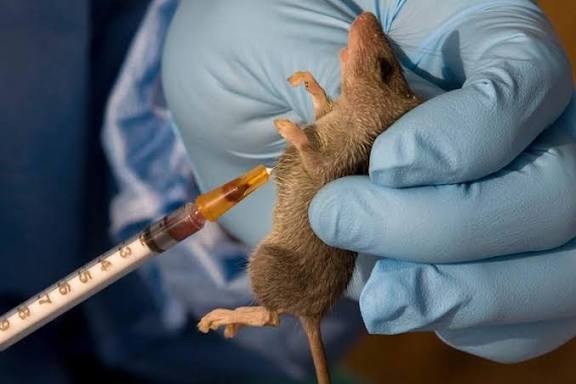
At least four people have reportedly died from suspected Lassa fever in Awe, Nasarawa State.
The deaths reportedly include two pregnant women, raising serious public health concerns.
Following the incident, authorities shut down the General Hospital in Awe.
Health workers, including the Medical Superintendent, were immediately placed in isolation.
Local findings showed rising concern after a critically ill woman arrived at a health facility.
She reportedly displayed symptoms consistent with Lassa fever and died shortly after arrival.
Days later, her husband reportedly developed similar symptoms and also died.
This development heightened fears of possible community transmission.
The Disease Surveillance Officer in Awe highlighted challenges managing suspected cases.
He blamed poor case handling for worsening outbreak control efforts.
Additionally, some suspected patients referred to Lafia reportedly escaped isolation.
This situation further complicated containment measures across the area.
He also noted serious logistical gaps affecting disease surveillance response.
None of the local disease officers reportedly received motorcycles for field operations.
As a result, responding quickly to remote communities remains extremely difficult.
The state government later sent an ambulance to evacuate suspected cases.
However, six suspected patients reportedly escaped before laboratory results were released.
This incident raised concerns about enforcement and monitoring systems.
Meanwhile, health workers called for urgent protective equipment supplies.
A nurse explained that patients initially showed malaria-like symptoms.
Their conditions later worsened, leading to bleeding and fatal complications.
Health workers admitted operating under fear due to inadequate protective gear.
In response, the Ministry of Health confirmed one laboratory-confirmed Lassa fever case.
The confirmed patient reportedly died before results became available.
Currently, authorities continue fumigation at the General Hospital in Awe.
The exercise aims to prevent further spread to nearby communities.
