

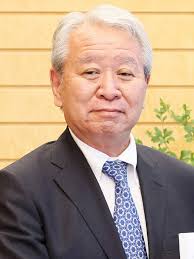
Japan’s top law enforcement officials have issued a rare public apology to the family of Shizuo Aishima, a businessman who died after being wrongfully arrested and held in prolonged detention. Aishima, a former advisor to machinery firm Ohkawara Kakohki, was among three executives detained in 2020 on charges that were later dismissed.
The case has reignited debate over Japan’s controversial “hostage justice” system, a practice where suspects are held in extended pretrial detention to pressure them into confessing. Human rights campaigners have long criticized this system as abusive and inconsistent with international legal standards.
Apology from Police and Prosecutors
On Monday, senior officials from the Tokyo Metropolitan Police, the top public prosecutor’s department, and the Tokyo prosecutor’s office visited Aishima’s family and grave.
“We sincerely apologise for conducting the illegal investigation and arrest,” said Tetsuro Kamata, deputy superintendent-general of Tokyo Metropolitan Police, during a televised meeting with the family.
Aishima’s widow responded: “I accept the apology but I won’t be able to forgive.”
Timeline of the Wrongful Case
- March 2020: Aishima and two colleagues were detained and indicted on allegations of illegally exporting spray dryers that could be used for biological weapons. The men argued the exports were lawful.
- October 2020: Aishima was diagnosed with progressive cancer while in custody. Despite his illness, prosecutors refused bail, claiming he might destroy evidence.
- November 2020: He was moved to hospital, but prosecutors restricted contact between him and his colleagues.
- February 2021: His co-defendants were released, but prohibited from meeting Aishima. He died later that month without seeing them.
- Later in 2021: Prosecutors dropped all charges.
The family and colleagues later sued authorities, and the Tokyo High Court ruled that the investigation, arrest, and indictment were illegal and unsupported by evidence.
Calls for Judicial Reform
Speaking at a press conference, the family’s lawyer Tsuyoshi Takada criticized the legal system for enabling the prolonged detention.
“This was not the mistake of a single judge,” Takada said. “We need to change the mistaken attitudes of all judges. The court must learn from this to ensure there won’t be more victims of ‘hostage justice’ in the future.”
What is Japan’s “Hostage Justice”?
Japan’s criminal justice system allows authorities to hold suspects in daiyo kangoku (substitute prisons) for up to 23 days without formal charges, often without access to a lawyer during interrogations. Critics argue that this creates conditions for coerced confessions, a practice heavily condemned by human rights organizations and the United Nations.
Aishima’s case has intensified international scrutiny of Japan’s detention system, raising questions about how many others may have suffered similar injustices.
