

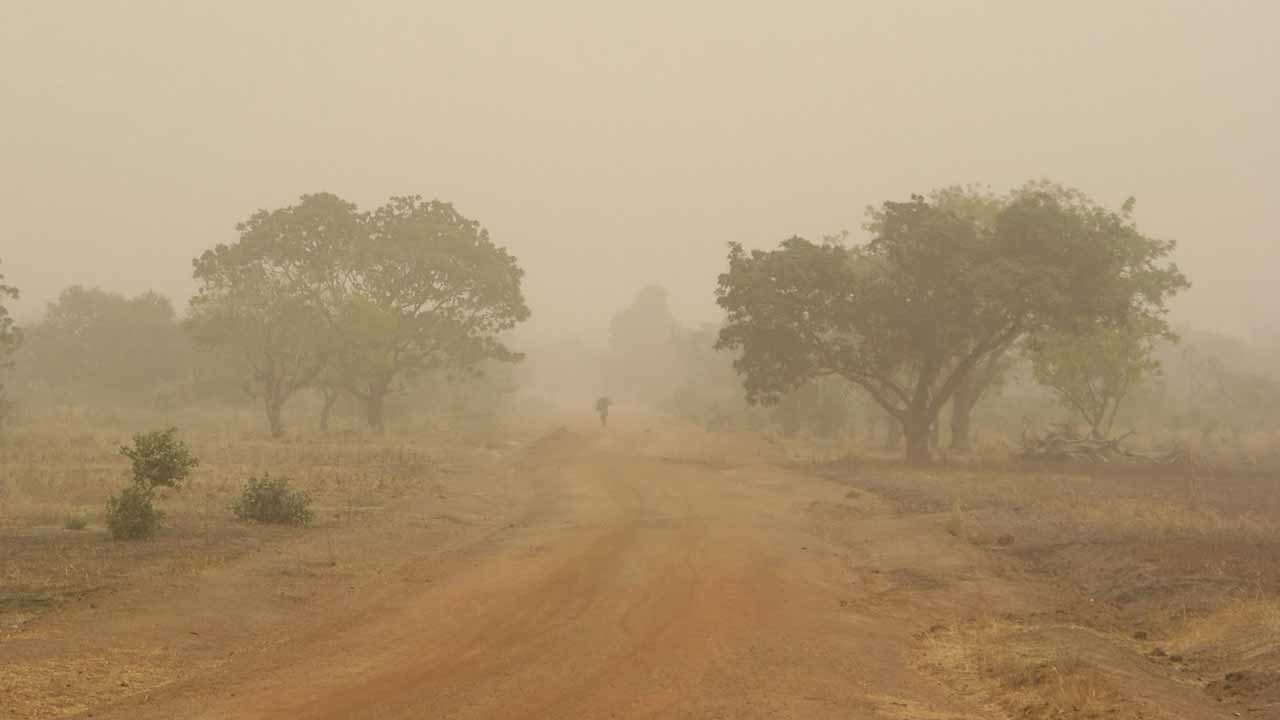
Bauchi veterinarian, Dr. Shehu Zailani, warns that harmattan’s cold, dry weather harms livestock. He explained that low temperatures increase respiratory diseases, cold stress, and animal mortality. Poultry and young animals remain most vulnerable during this season, he emphasized.
Zailani told the News Agency of Nigeria that dry, dusty winds worsen livestock health. The veterinarian compared extreme weather effects on animals to human respiratory challenges. He noted that temperature drops disrupt conventional livestock management practices in Bauchi.
Poultry farmers face major challenges keeping chicks warm during the first critical weeks. Brooding ensures proper growth, feeding, and survival, but fluctuating temperatures complicate it. Cold stress weakens immunity, making young birds prone to coughing and laboured breathing.
Small ruminants, including goats and sheep, also suffer under prolonged cold exposure. Dr. Zailani said infections like Peste des Petits Ruminants rise during harmattan. Affected animals often show sneezing, weakness, nasal discharge, and poor overall health.
Dry winds reduce body moisture, creating favourable conditions for infectious diseases. He advised farmers to provide warm, ventilated shelters for livestock protection. Clean and adequate drinking water helps maintain hydration and prevent cold-related diseases.
Routine vaccination remains crucial to minimize harmattan-induced disease outbreaks, he added. Prompt veterinary attention is vital for animals showing early illness signs. Zailani stressed that preventing diseases saves farmers significant economic losses.
