

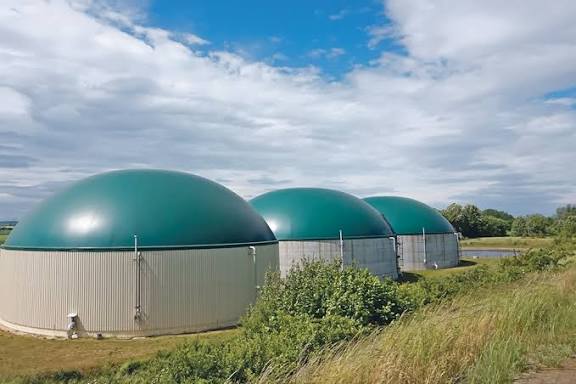
Biogas is emerging as a practical solution to Nigeria’s ongoing energy crisis. Mechanical engineer Dr. Moses Fajobi highlights the urgent need for reliable power nationwide. He explains that consistent energy supply drives economic growth and sustainable development.
However, Nigeria’s current energy mix remains inadequate for long-term progress. Many communities still lack stable electricity, which slows productivity and innovation. As a result, experts are now exploring cleaner and renewable alternatives.
Fajobi emphasizes that heavy reliance on fossil fuels is no longer sustainable. These energy sources contribute to environmental pollution and climate-related challenges. Moreover, extraction processes often disrupt ecosystems and pose health risks.
In contrast, biogas offers a cleaner and more efficient energy option. It is produced from organic materials like cow dung, food waste, and agricultural residues. Interestingly, these resources are widely available across Nigeria but remain underutilised.
Through anaerobic digestion, biomass converts into usable biogas in oxygen-free conditions. This process includes hydrolysis, acidogenesis, acetogenesis, and methanogenesis stages. Each phase plays a crucial role in energy production efficiency.
Fajobi’s research reveals that combining organic materials increases biogas yield significantly. For instance, a specific mixture produced the highest output within forty days. This finding highlights the importance of proper material blending.
Furthermore, adopting biogas technology can improve energy access and reduce waste problems. It can also boost rural development and lower economic losses. However, safety awareness remains essential due to its flammable nature.
Therefore, government support and subsidies are necessary for large-scale adoption. With the right policies, biogas can transform Nigeria’s energy landscape and improve living standards.
