

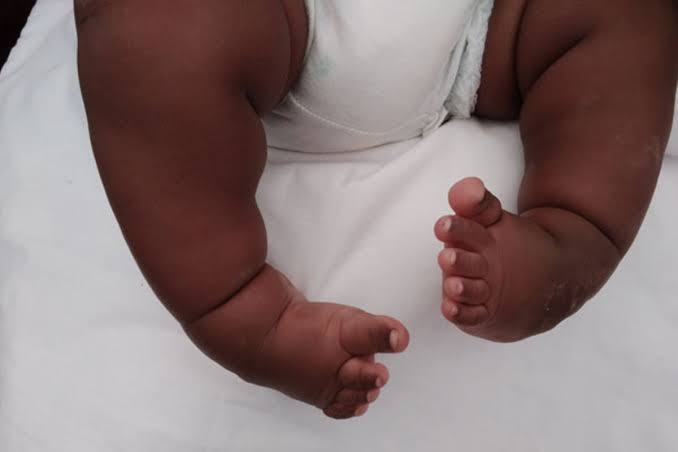
Orthopaedic surgeons in Nigeria are urging parents to seek early medical care for infants born with clubfoot to prevent avoidable disability. They warn that delaying treatment often due to cultural myths and misconceptions puts children at risk of long-term deformity, pain, and social stigma. According to specialists, clubfoot is a congenital condition in which a baby’s foot turns inward due to shortened and tight tendons. The Cleveland Clinic reports that about one in every 1,000 babies is born with the condition, making it one of the most common congenital foot deformities. In Nigeria alone, an estimated 10,000 children are affected each year.
Experts stress that the cause of idiopathic clubfoot remains unknown, although genetics, environmental factors, and lifestyle habits during pregnancy may contribute. Professor Mike Ogirima, a leading orthopaedic surgeon, notes that most cases are congenital and fully treatable when detected early. He explains that modern care now relies on the Ponseti method—a non-surgical technique involving gentle manipulations and weekly casting. This approach offers up to 95 per cent correction when started at birth.
However, societal misconceptions continue to hinder early treatment. Many parents still associate clubfoot with spiritual punishment or curses, leading them to seek help late or from traditional healers. Surgeons warn that late presentation makes treatment more difficult, sometimes requiring surgery and increasing costs.
Health experts encourage expectant mothers to avoid alcohol, radiation exposure, and unprescribed medications during pregnancy to reduce risk factors. They also emphasise that early diagnosis and proper medical care ensure children can walk normally, avoid discrimination, and enjoy better long-term outcomes.
