

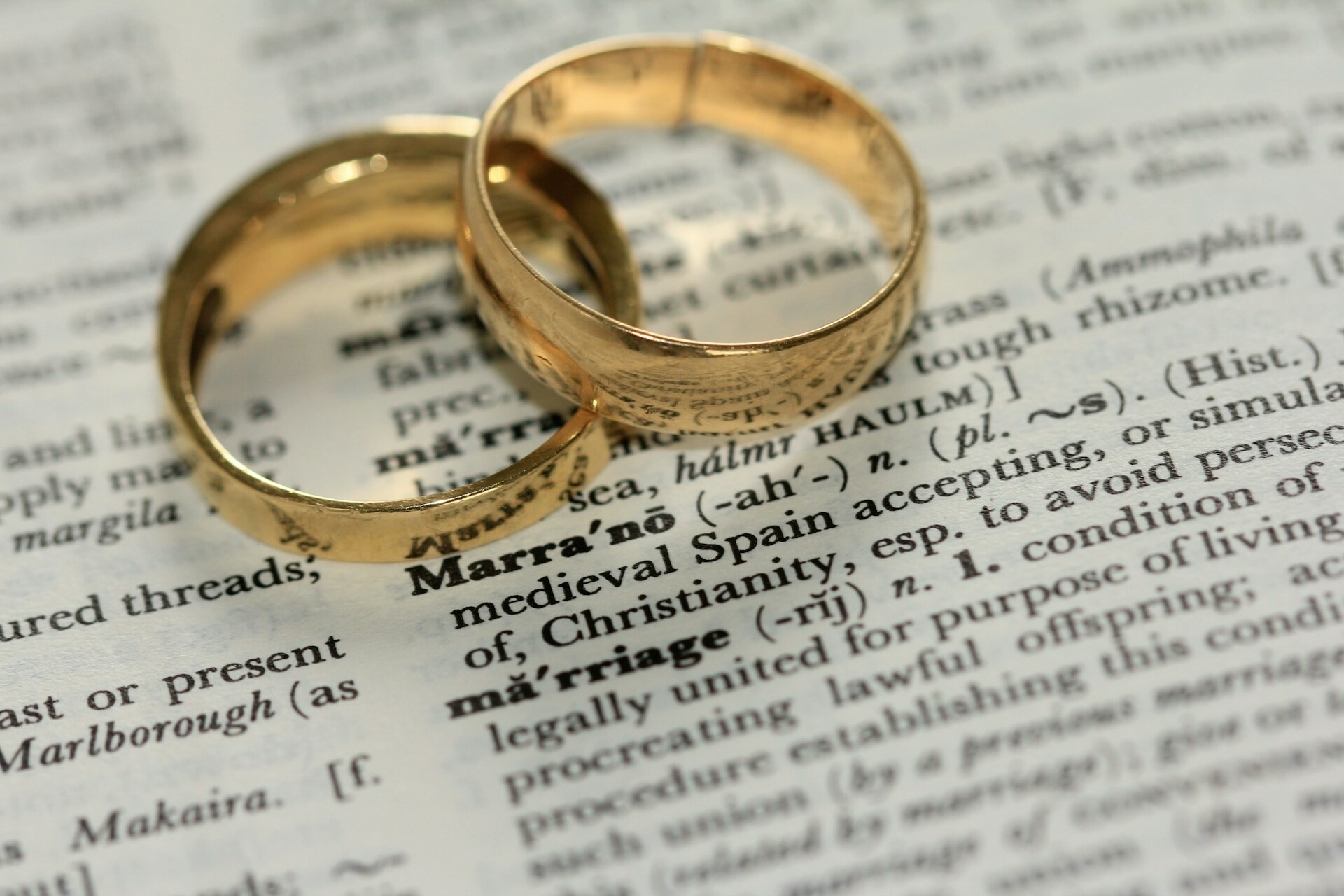
In Nigeria, whether a woman should change her surname after marriage sparks mixed views. Some husbands expect it, while others leave it as a choice. The debate gained attention when Temi Otedola adopted “Ajibade” after marrying singer Mr. Eazi seen by some as love, and by others as loss of identity. But is it truly compulsory under law, religion, or culture?
The Legal Perspective
No Nigerian law requires a woman to take her husband’s surname. Under the Marriage Act, names remain as they were at the time of marriage. Requests for proof of name change by institutions like NYSC or HMOs are bureaucratic, not legal mandates.
Religion
- Islam – Not compulsory. The Prophet’s wives kept their fathers’ names to preserve lineage, and the Qur’an emphasizes truth in ancestry.
- Christianity – No biblical command. Many women adopt their husband’s surname for cultural or symbolic reasons.
Culture and Tradition
Before colonial rule, Nigerian women did not change their names after marriage. Igbo women retained their fathers’ names, and Yoruba children were first identified by their mother’s name. The practice of adopting a husband’s surname was introduced during colonial times. Today, many women like Ngozi Okonjo-Iweala and Omotola Jalade-Ekeinde show that keeping or hyphenating names is still respected.
Why Women Keep Their Maiden Names
- Influence and recognition
- Professional identity
- Feminist ideals and independence
Why Women Change Their Names
- Easier documentation
- Symbol of family unity
- Social acceptance
Conclusion
Changing surnames after marriage in Nigeria is not a legal, religious, or cultural obligation, it is a personal choice. While colonial influence popularized the practice, modern Nigerian women now balance identity, love, and tradition in ways that suit them best.
