

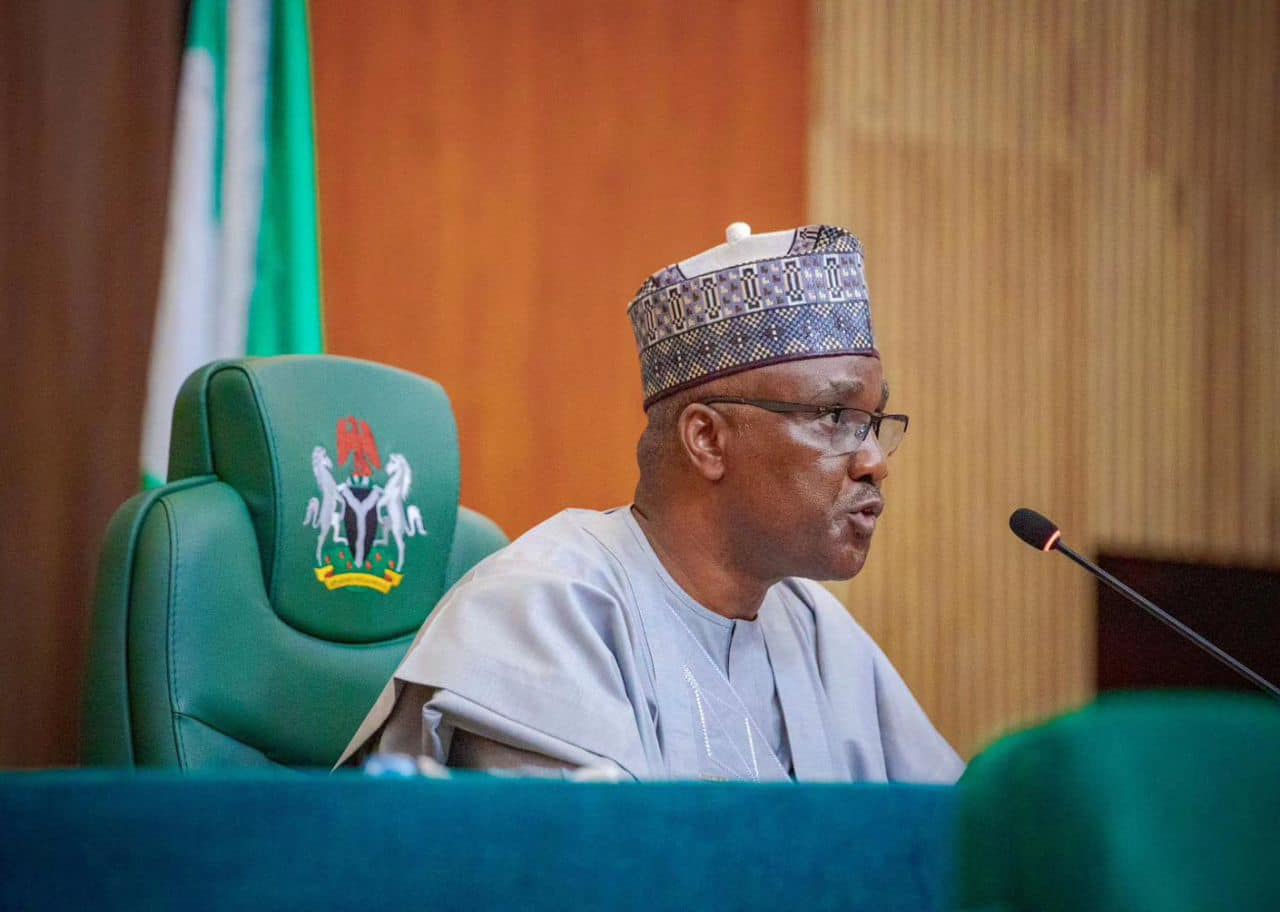
Speaker of the House of Representatives, Abbas Tajudeen, has called for stronger parliamentary oversight and transparent borrowing practices, warning that Nigeria’s rising debt profile poses a threat to fiscal sustainability.
Speaking at the 11th Annual Conference and General Assembly of the West Africa Association of Public Accounts Committees (WAAPAC) in Abuja, Abbas, represented by House Leader, Prof. Julius Ihonvber said responsible borrowing could drive growth if prudently managed. He aligned the call with President Bola Tinubu’s Renewed Hope Agenda, noting efforts to diversify revenue beyond oil.
“Public debt, when managed prudently, can be a tool for growth and prosperity. Yet, when left unchecked, it becomes a burden that erodes economic stability and threatens future generations,” Abbas said.
Nigeria’s Debt Picture
According to him, Nigeria’s total public debt stood at N149.39 trillion (US$97 billion) as of Q1 2025, a sharp increase from N121.7 trillion in 2024. Domestic debt accounts for 53%, while external debt makes up 47%.
The debt-to-GDP ratio has now reached 52%, breaching the statutory ceiling of 40%. Abbas warned that such a trajectory highlights the urgency of stronger oversight to ensure every borrowed naira translates into real economic and social value.
He also cited Africa’s wider debt crisis, with countries like Sudan (344%), Angola (136.8%), Ghana (84%), Kenya (70%) and South Africa (77%) facing dangerous debt-to-GDP ratios.
Opposition Reacts
The African Democratic Congress (ADC) and the Peoples Democratic Party (PDP) rejected Abbas’s optimism, accusing the APC-led government of reckless borrowing.
ADC’s Deputy National Publicity Secretary, Jackie Wayas, described the N149.39 trillion debt as a “mortgaged future,” warning that ordinary Nigerians would suffer through higher taxes, inflation, unemployment, and poor public services.
“ADC has consistently warned about APC’s unbridled borrowing. These loans, taken without accountability, will saddle generations of Nigerians with unbearable hardship,” Wayas said.
The PDP, through its Deputy National Youth Leader, Timothy Osadolor, stressed that Nigeria’s fiscal problems stem from weak institutions. He argued that a truly independent legislature is crucial to check the executive and enforce fiscal discipline.
“We have enough regulatory agencies on paper, but none alive to its responsibilities. What we need are men of character with the courage to say yes or no when necessary,” Osadolor stated.
He also urged future National Assembly members to elect their own leaders rather than being “handpicked from the Villa,” citing former Senate President Bukola Saraki’s tenure as an example of strict legislative oversight.
