


Trust us, we are as shocked as you are by the reasons vegan-focused organisations enlist as the reason to stop eating chicken. Reason 5 will shock you the most.
Did you know that globally, we slaughter more than 200 million chickens every day for food, and at this point it begs the question: Is chicken actually a healthy protein choice?
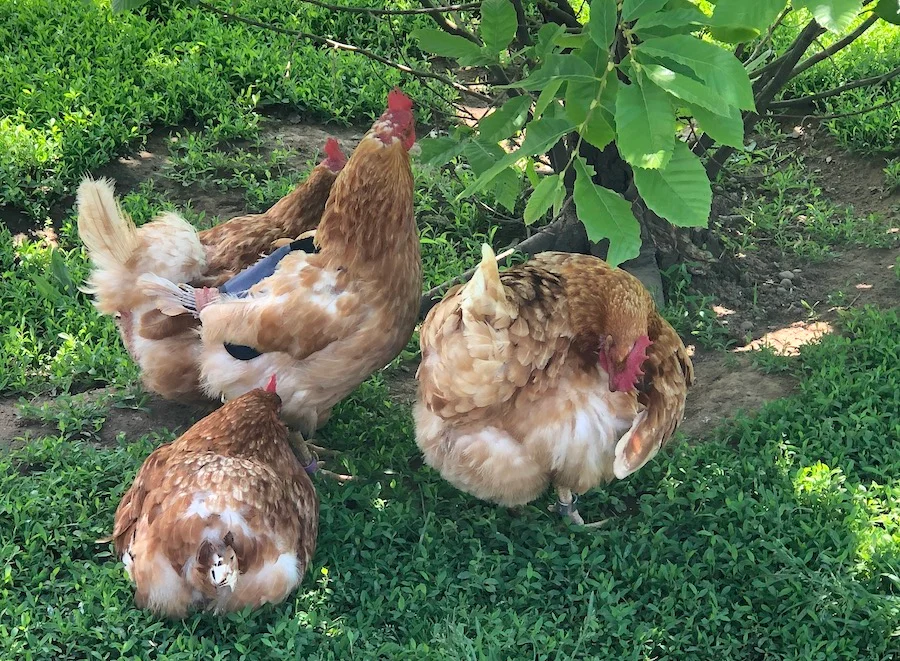
Poultry is generally considered a healthier protein option than red meat, it’s true that it’s leaner and contains less cholesterol and saturated fat. It is a healthy and complete protein choice that supplies all nine essential amino acids needed for muscle growth, immune function, and overall body maintenance.
Chicken breast is the leanest cut with the highest protein-to-calorie ratio, best for weight management and muscle recovery. Dark Meat (Thighs and Drumsticks): Contain higher fat and calorie content along with more iron and zinc, which work well for keto or high-calorie diets. Leaving the skin on significantly increases total and saturated fat. Methods like frying or heavy breading add unhealthy fats and sodium, whereas grilling, baking, or roasting keeps the meal nutritious
So with all these benefits, let’s see why we should stop eating chicken:
- Eating chicken can put you at risk for disease.
- The poultry industry is terrible for the environment.
- Chicken farms treat chickens terribly
- Chicken is infested with bacteria and causes countless cases of food poisoning.
- Chickens have feelings.
1. Chronic Disease and Contaminant Risks
- High Cholesterol: Even skinless chicken contains similar amounts of cholesterol per gram as beef or pork, which can impact individuals managing heart health.
- Carcinogens from Cooking: Cooking chicken at high temperatures (like grilling, frying, or barbecuing) forms heterocyclic amines (HCAs), compounds linked to an increased risk of certain cancers.
- Arsenic and Heavy Metals: Some industrial poultry farming practices have historically utilized feed additives containing arsenic to promote growth, leading to trace residues in the meat.
- Antibiotic Resistance: The widespread use of antibiotics in crowded factory farms contributes heavily to the rise of drug-resistant “superbugs,” creating a significant global public health risk.
According to the Journal of Epidemiology and Community Health, researchers from Oxford University found that chicken consumption can heighten the risk of certain diseases.
2. Environmental Impact
- Resource Consumption: Producing chicken requires substantial amounts of water and grain, making it less resource-efficient than plant-based proteins.
- Pollution: Large-scale poultry farms generate massive amounts of waste, which can leak into local waterways, causing toxic algal blooms and destroying aquatic ecosystems.
3. Ethical and Welfare Concerns
- Factory Farming Conditions: The vast majority of chickens raised for meat live in overcrowded, windowless sheds with less than a square foot of space per bird.
- Selective Breeding Issues: Modern broiler chickens are bred to grow so rapidly that their legs often cannot support their body weight, leading to chronic pain and heart failure.
4. Foodborne Illness
- Bacterial Contamination: Raw chicken is one of the primary vectors for foodborne pathogens like Salmonella and Campylobacter, which cause severe gastrointestinal illness if the meat is mishandled or undercooked.
5. Chickens have feelings. According to animal behaviorist Dr. Chris Evans, chickens can be just as intelligent as cats and dogs. He claims that they are “good at solving problems” and can comprehend that objects still exist after they are recently hidden. A study done by researcher Joanne Edgar found that chickens “have empathy and the motherly instinct of hens allows them to ‘feel’ the pain their chicks experience.” – The Vegan Atlas

With these few points, would you consider a diet change? And chuck out chicken from your diet? Let us know.
