

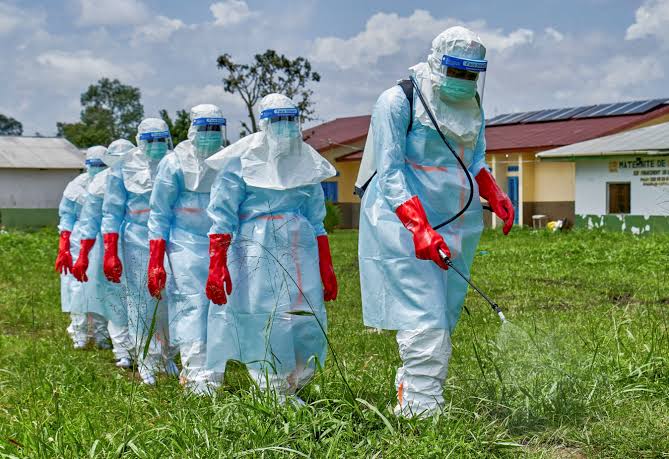
The Federal Government has intensified health surveillance measures across Nigeria’s airports, seaports, and land borders as part of efforts to prevent the possible entry of Ebola Virus Disease into the country.
Although health authorities confirmed that no Ebola case has been recorded in Nigeria, the government has activated nationwide preparedness strategies in response to the ongoing outbreak of the Bundibugyo strain of the virus in parts of East and Central Africa. The move highlights the government’s commitment to protecting public health and strengthening national health security.
According to the Federal Ministry of Health and Social Welfare, health officials have been directed to strengthen screening and risk assessment procedures for all incoming travellers. As a result, passengers arriving through designated entry points will undergo mandatory temperature checks, travel history assessments, and health declaration reviews.
In addition, authorities have introduced enhanced screening protocols for travellers considered high-risk or those displaying symptoms linked to Ebola and other viral haemorrhagic fevers. Such individuals may be subjected to secondary screening, isolation, and referral procedures where necessary.
Furthermore, the ministry revealed that disease surveillance systems have been reinforced nationwide. Public Health Emergency Operations Centres have also been activated, while Rapid Response Teams remain on standby to respond swiftly to any suspected case.
Healthcare facilities across the country have been instructed to strengthen infection prevention measures, improve triage systems, and promptly report suspected infections. Meanwhile, the government urged citizens not to panic, stressing that the current measures are precautionary.
Nigerians were also advised to maintain proper hand hygiene, avoid contact with bodily fluids of sick individuals, refrain from handling dead animals from unknown sources, and report unusual illnesses to health authorities promptly.
