

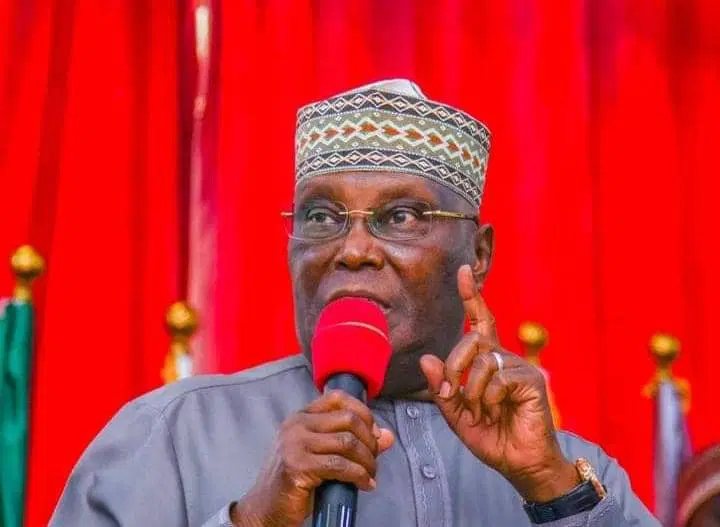
The emergence of former Vice President Atiku Abubakar as the presidential candidate of the African Democratic Congress has intensified political tensions ahead of the 2027 general election. However, the Presidency and the ruling All Progressives Congress quickly dismissed his candidacy, insisting it poses no serious threat to President Bola Tinubu’s re-election bid.
Atiku secured 1,846,370 votes to defeat former Minister of Transportation Rotimi Amaechi and economist Mohammed Hayatu-Deen during the ADC primary election. Nevertheless, the exercise immediately sparked controversy after both defeated aspirants rejected the process, alleging widespread irregularities across the 36 states and the Federal Capital Territory. Consequently, they boycotted the collation and official declaration of results.
Reacting to the development, presidential aide Temitope Ajayi described the opposition coalition backing Atiku as a gathering of disgruntled politicians driven by personal ambition rather than national interest. According to him, the coalition lacks a clear developmental agenda and remains deeply divided following the exit of key political figures such as Peter Obi and Rabiu Kwankwaso.
Meanwhile, opposition parties including the Social Democratic Party and Labour Party criticised Atiku’s renewed presidential ambition. They argued that it could further weaken Nigeria’s delicate North-South power rotation arrangement, which many political stakeholders consider vital for national stability and unity.
Despite repeated electoral defeats over the years, Atiku continues to position himself as a major opposition figure. Nonetheless, his latest ambition has reignited debates surrounding zoning, political equity, and the future direction of opposition politics in Nigeria ahead of 2027.
