

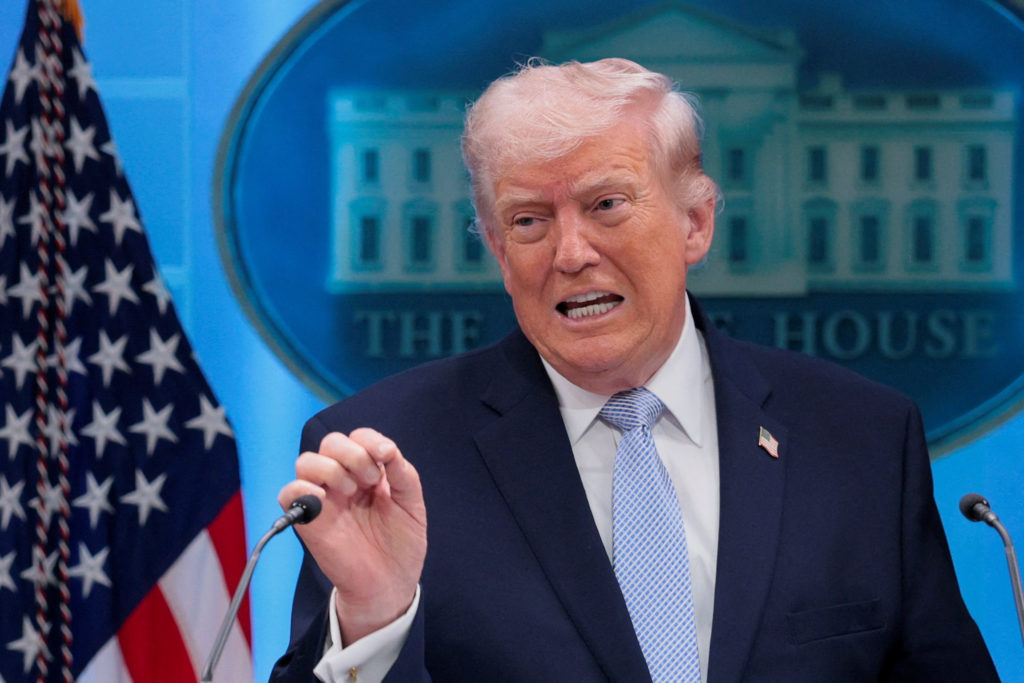
Donald Trump ordered a US naval blockade of the Strait of Hormuz on Sunday. He acted after Iran refused to abandon its nuclear ambitions during peace negotiations. Although talks in Pakistan progressed, disagreements over Iran’s nuclear program remained unresolved.
Consequently, Trump announced immediate naval action through his Truth Social platform. He stated that US forces would block all ships entering or leaving the Strait. Additionally, he warned Iran against attacking US forces or commercial vessels. Meanwhile, JD Vance exited Pakistan without securing a diplomatic agreement. He led US discussions with Iran’s delegation, headed by senior officials.
Furthermore, Iran’s team included key figures managing foreign policy and legislative affairs. Vance described the US proposal as final, urging Iran to accept the terms. However, Trump criticized Iran for failing to reopen the strategic waterway. He emphasized that the Strait handles a significant portion of global crude oil shipments.
Moreover, Trump questioned the safety of maritime passage amid reported naval threats. He suggested uncertainty would discourage shipowners from navigating the route. In recent weeks, tensions escalated following joint US and Israeli military actions. As a result, the Strait faced partial disruption, affecting global energy concerns. Recently, US warships entered the area to begin mine clearance operations. This move signals a stronger military presence and heightened geopolitical pressure.
