

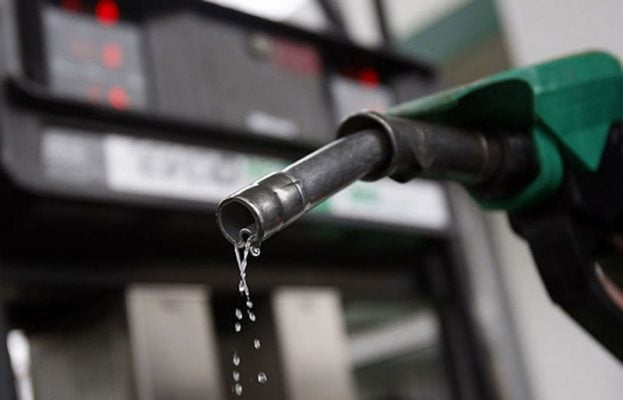
Businesses across Nigeria are preparing for higher operational costs following a fresh petrol price increase. On Monday, petrol prices surged to around N1,300 per litre across many filling stations nationwide. Consequently, businesses expect rising expenses and renewed pressure on already fragile operating budgets.
Economists and the Organised Private Sector confirmed the development and warned about inflationary consequences. According to them, higher fuel costs could quickly push up transport and production expenses.
As a result, companies may adjust product prices to protect their shrinking profit margins. However, such adjustments could place additional financial pressure on Nigerian consumers.
Meanwhile, the price hike followed rising global oil market tensions linked to the ongoing US-Iran conflict. Consequently, energy costs increased sharply across international markets before affecting Nigeria’s downstream sector.
Similarly, the Dangote Petroleum Refinery raised its gantry price from N995 to N1,175 per litre. This adjustment represents an increase of about N180 within three days. Following the announcement, many filling stations quickly raised their pump prices nationwide. For example, some outlets sold petrol between N1,250 and N1,400 per litre.
Industry analysts warned that higher petrol prices could increase food and transportation costs. Therefore, they urged the Federal Government to strengthen local refining capacity. In addition, they recommended innovative policies to stabilise fuel supply and reduce future price shocks.
Meanwhile, the Nigeria Labour Congress criticised repeated petrol price increases by the Dangote refinery. The union warned that frequent adjustments worsen economic hardship for ordinary Nigerians. Furthermore, global developments continue influencing domestic fuel prices and energy supply decisions. Therefore, businesses now review budgets, adjust strategies, and prepare for another inflationary cycle
