

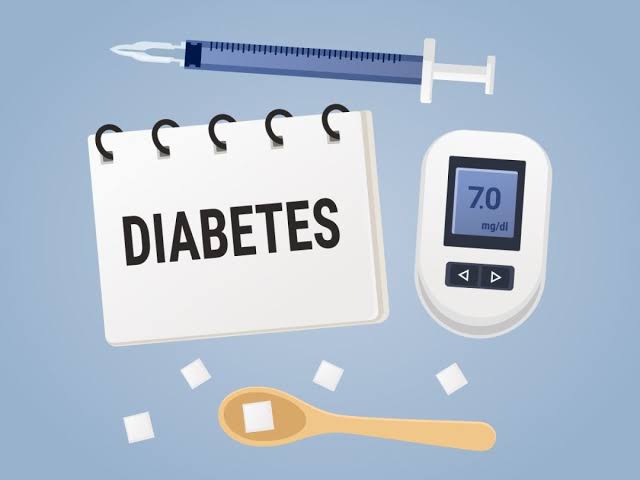
Diabetes is a chronic condition that affects how the body processes blood sugar. It occurs when the body cannot produce enough insulin or properly use it. Consequently, glucose builds up in the bloodstream and causes several health complications.
There are two major types of diabetes. These include Type 1 diabetes and Type 2 diabetes. Type 1 diabetes occurs when the immune system attacks insulin-producing cells in the pancreas. Meanwhile, Type 2 diabetes develops when the body becomes resistant to insulin. As a result, blood sugar levels gradually rise.
Several factors increase the risk of developing diabetes. For instance, poor diet, obesity, and physical inactivity often contribute to the condition. In addition, genetics and age can also raise the risk. Therefore, maintaining healthy habits becomes essential for prevention.
Common symptoms of diabetes include frequent urination, excessive thirst, and unexplained weight loss. Furthermore, many people experience fatigue, blurred vision, and slow-healing wounds. However, some individuals may not notice symptoms during early stages.
Doctors diagnose diabetes through blood tests that measure glucose levels. After diagnosis, patients must manage the condition carefully. For example, they may adopt healthy diets, exercise regularly, and monitor blood sugar levels.
Lifestyle changes play a crucial role in diabetes management. Firstly, balanced meals help control glucose levels effectively. Secondly, regular physical activity improves insulin sensitivity. Moreover, routine medical checkups ensure early detection of complications.
In conclusion, diabetes remains a serious but manageable health condition. However, early detection and healthy habits significantly reduce long-term risks. Therefore, individuals should prioritize healthy lifestyles and regular health screenings.
