

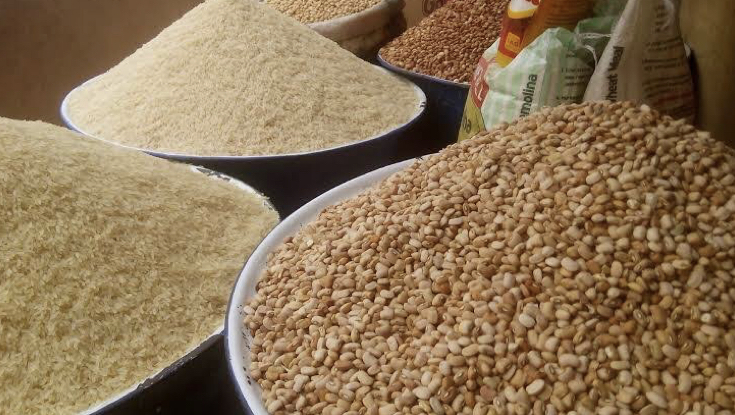
Food prices increased sharply across major Nigerian markets this week. Traders reported fresh hikes in rice, garri, beans, and tomatoes. Consequently, many households now struggle to maintain daily meals.
Market surveys in Lagos and Abuja show rising demand. However, supply chains remain unstable due to transport costs. Fuel prices continue affecting distribution nationwide. Experts blame currency volatility and production challenges. Meanwhile, farmers cite insecurity and climate pressures reducing harvest volumes.
Consumers have adjusted spending habits quickly. Many families now purchase smaller food portions. Others substitute protein with cheaper alternatives. Economists urge government intervention immediately. They recommend strategic food reserves and transport subsidies.
Some state governments introduced temporary food prices monitoring systems. However, enforcement remains inconsistent in rural markets. Civil society groups demand stronger consumer protection policies. They argue inflation threatens food security nationwide. As inflation persists, Nigerians continue adapting creatively, yet sustainable solutions require coordinated national action.
