

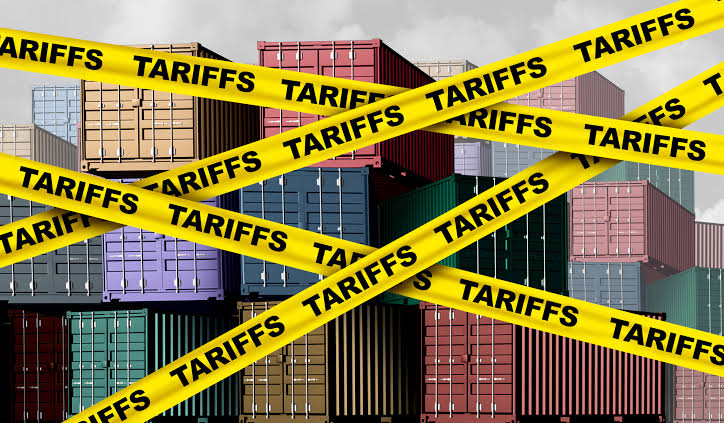
The Federal Government of Nigeria recently signed a Comprehensive Economic Partnership Agreement (CEPA) with the United Arab Emirates. This historic agreement removes tariffs on thousands of products, creating new trade opportunities.
Rep. Sam Onuigbo, a member of the North East Development Commission Governing Board, described CEPA as a game changer. He explained that the agreement, signed during Abu Dhabi Sustainability Week from January 11–15, 2026, benefits both countries.
Under CEPA, the UAE will eliminate tariffs on 7,315 Nigerian products. About 2,805 products will gain immediate duty-free access, while the remaining tariffs will phase out over three to five years. This covers agricultural and industrial goods.
Similarly, Nigeria removed tariffs on 6,243 UAE products. The agreement encourages Nigerian entrepreneurs to open offices, work in the UAE for three months, and expand their businesses internationally. Onuigbo praised President Bola Tinubu, saying CEPA strengthens Nigeria’s business environment and creates employment opportunities. He also highlighted Nigeria’s carbon market framework unveiled in Abu Dhabi.
With a population nearing 250 million, Nigeria continues addressing energy challenges through initiatives like the Energy Transition Plan, Climate Change Act, and Electricity Act. These policies aim to close energy gaps, enabling industrial growth. Onuigbo emphasized that CEPA and the Abu Dhabi summit foster global collaboration.
The partnership addresses climate change, boosts the economy, and enhances Nigeria-UAE relations. Nigeria is now poised for expanded trade, industrial development, and economic transformation in 2026.
