

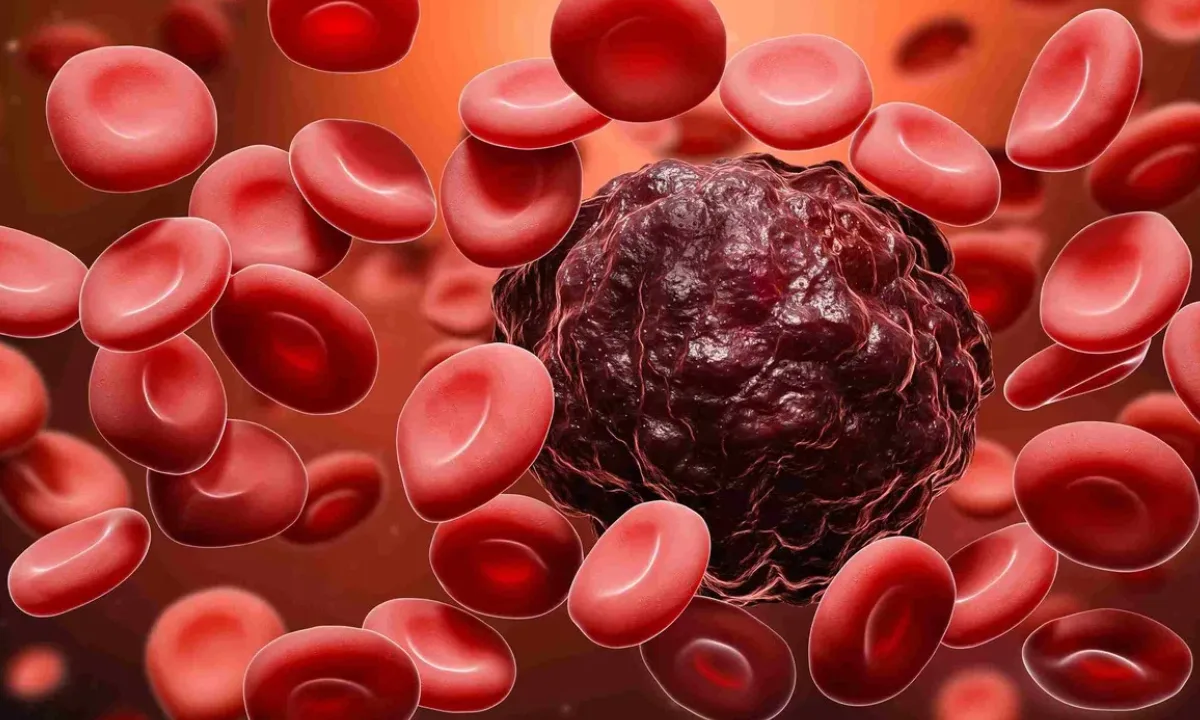
Australian researchers have discovered a highly targeted method to fight myelofibrosis, a rare blood cancer. This breakthrough may lead to treatments beyond symptom management, offering real hope to patients. Scientists from SAHMRI, SA Pathology, and the University of Adelaide developed an immunotherapy approach that attacks the abnormal blood cells causing the disease.
Published in Blood on January 12, 2026, the study emphasizes removing disease-driving cells rather than simply easing fatigue, pain, or spleen enlargement. Current therapies control symptoms but cannot eliminate the underlying cause. The research, co-led by Professor Daniel Thomas and Professor Angel Lopez, highlighted differences in treatment response between Type 1 and Type 2 calreticulin mutations.
Using patient cells from the South Australian Cancer Research Biobank, the team identified two key targets for optimal removal of harmful cells. Precision immunology, the approach behind the discovery, trains the immune system to attack diseased cells while sparing healthy tissue.
Professor Lopez noted the findings reflect a wider move toward personalized cancer therapies, combining molecular understanding with immune-targeted treatments. Researchers caution that further studies and clinical trials are needed to ensure safety and effectiveness.The discovery marks a potential paradigm shift in myelofibrosis care, offering targeted, potent, and precise therapy options. This research could transform outcomes for patients worldwide and accelerate future innovations in blood cancer treatment.
