

A recent study conducted by Dr. Otitoju Beulah, a researcher at Redeemer’s University, Ede, Osun State and a member of the African Centre of Excellence for Water and Environmental Research, has raised serious concerns about the safety of drinking water in Nigeria.
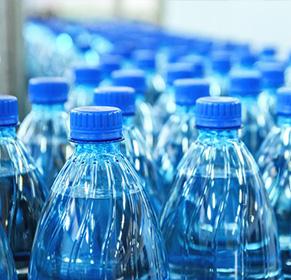
The research, which examined surface and groundwater sources in Osun, Oyo, and Lagos States, found high concentrations of industrial pollutants and pharmaceutical residues, particularly during the rainy season. These pollutants were detected not only in rivers, streams, wells, boreholes, and tap water, but also in packaged water commonly consumed by households.
Infants and Toddlers Most at Risk
Dr. Beulah’s findings indicate that infants and toddlers are especially vulnerable to contaminated water. Due to their lower body weight and higher water intake, young children face significantly higher risks of non-carcinogenic health effects compared to adults.
“Some of the compounds we detected, such as dihydroxybenzenes including catechol and hydroquinone, are linked to industrial pollution and pharmaceutical waste. Most people are unaware they may be consuming these chemicals daily,” Dr. Beulah noted.
The Broader Impact on Health and Environment
The study emphasized that the pollutants not only threaten human health but also negatively affect aquatic life, disrupting ecosystems that communities rely on for food and livelihood.
Beyond chemical contaminants, the research highlighted the role of bacterial pollution driven by poor waste management, rapid urbanization, inadequate regulation, and limited public awareness about proper disposal practices. Weak regulatory enforcement allows harmful effluents to enter water sources critical for drinking and cooking.
Affordable Solutions for Safer Water
To combat these risks, Dr. Beulah recommends practical, low-cost water treatment methods tailored to local conditions. These include:
- Agricultural-waste filters
- Modified sand filters
- Solar disinfection units
Early trials of these solutions have shown encouraging results, reducing contamination levels and increasing adoption of safe water practices.
The Urgent Need for Policy and Action
While community-level solutions are vital, Dr. Beulah stresses that Nigeria needs stronger regulatory enforcement and clear guidelines for emerging contaminants like catechol. Fragmented monitoring and weak reporting systems continue to undermine water safety efforts.
“Safe water cannot wait. Governments must act, but communities also need the tools to protect themselves now. Access to clean water is not just a development goal; it is a matter of survival,” she concluded.
