

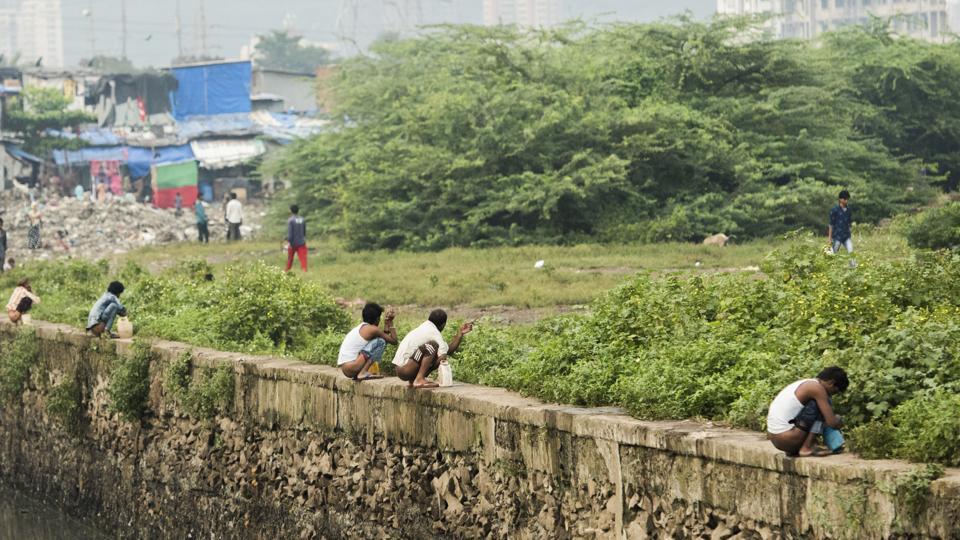
Over 45 million Nigerians still practice open defecation. Only about 25 percent have access to safely managed sanitation, the Minister of Environment, Balarabe Lawal, said.
He spoke at a press briefing in Abuja to mark World Toilet Day 2025. The theme was “Sanitation in a Changing World” with the tagline “We’ll Always Need the Toilet.” Lawal said climate change, urbanization, and inequality are affecting sanitation systems. He stressed that toilets are vital for public health. They reduce disease, safely remove waste, and protect human dignity.
Poor sanitation fuels diseases like cholera, diarrhoea, typhoid, and intestinal worms. Children under five are most affected. It also drives antimicrobial resistance and slows progress toward SDG 6.2, which aims for safe and equitable sanitation for all by 2030.
The government is committed to ending open defecation by 2030. Actions include a Presidential State of Emergency on Water, Sanitation, and Hygiene, Executive Order No. 009 (2019), and updates to the National Environmental Sanitation Policy.
Experts, including the Nigerian Red Cross, say sanitation is a human right. World Toilet Day highlights the urgent need for safe toilets, better sewer systems, and public action to protect health and the environment.
