

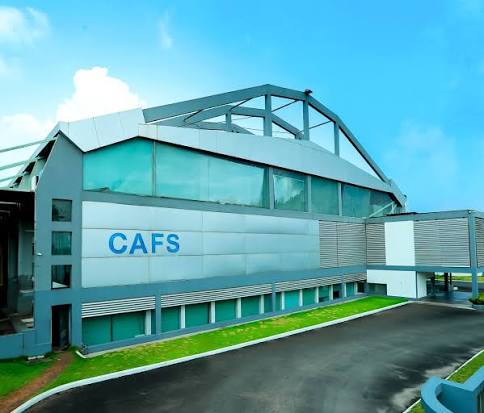
A Nigerian NGO, Community Action for Food Security in Africa, has called for blockchain technology to be integrated into solar-powered agricultural dryers to improve transparency and traceability in food processing.
The initiative, supported by the UN Development Programme, is being piloted in Ilorin and the Federal Capital Territory as part of efforts to reduce post-harvest losses.
CAFS founder Azeez Salawu said combining climate-smart solar dryers with blockchain technology would improve food preservation, record-keeping, transparency and access to shared processing facilities.
Under the system, agricultural products can be assigned batch numbers and QR codes containing information such as location, weight and moisture content. Salawu said the data could improve food safety, traceability, productivity and market access.
The technology is also expected to discourage farmers from drying produce on bare ground or roads, where food can be exposed to contamination.
Executive Director of the Nigerian Stored Products Research Institute, Prof. Lateef Sanni, commended the initiative and said the institute planned to map 100 locations with digital dryers and integrate blockchain technology into their operations.
Residents of Kuchibiyi said the solar dryer had already made food preservation easier, particularly during rainy periods.
The community has also introduced measures to protect and maintain the facility, while CAFS is working with local cooperatives to improve its use and promote transparency through the blockchain system.
